博客

  • Coronavirus financial support timeline: How you can apply and when the schemes end

    Coronavirus financial support timeline: How you can apply and when the schemes end

    The majority of coronavirus relief measures put in place by the government across 2020 and 2021 are beginning to wind down.

    Some will continue to impact even into the coming decade, such as loan repayments.

    But key offerings, such as the Coronavirus Job Retention Scheme (CJRS) and the Self-Employment Income Support Scheme, have now closed.

    So, what’s left and is it necessary for your business to take any further action?

    To answer that, in this article we’ve update our support timeline. We will revisit the blog in future if and when new or further coronavirus relief measures are announced.

    Coronavirus relief scheme end dates – at a glance

    • Self-Employment Income Support Scheme (SEISS): Applications for the fifth and final grant had to be made on or before 30 September 2021.
    • Coronavirus Job Retention Scheme (CJRS): The final CJRS grant covered payrolls up to 30 September 2021. This was the final date for which employees could be furloughed. The final claim date for this payroll is 14 October 2021.
    • Coronavirus loan schemes: You can apply for the Recovery Loan Scheme until 31 December 2021.
    • VAT reduced rate for hospitality and tourism: 1 April 2022 is when the full VAT rate must resume; 1 October 2021 was when use of the 12.5% rate began.
    • VAT Deferral New Payment Scheme: 31 March 2022 is potentially the final payment date, although it was possible to contact HMRC by 21 June 2021 to arrange a payment plan.
    • Enhanced Time to Pay for Self Assessment taxpayers: January 2022 is the final payment date.
    • Pay As You Grow: Repayments are likely to be made by some as late as November/December 2030.
    • Tax relief for home working expenses: No end date has been mentioned.

    Coronavirus relief scheme end dates – in depth

    Below, you can find more details on the schemes and their end dates:

    Self-Employment Income Support Scheme (SEISS)

    Coronavirus Job Retention Scheme (CJRS)

    Coronavirus loan schemes

    VAT reduced rate for hospitality and tourism

    VAT Deferral New Payment Scheme

    Enhanced Time to Pay for Self Assessment taxpayers

    Pay As You Grow

    Tax relief for home working expenses

    Download your free guide, 7 ways to take control of your business, and take steps now to master your business admin

    Self-Employment Income Support Scheme (SEISS)

    This scheme has ended. The final claim date was 30 September 2021.

    The original Self-Employment Income Support Scheme (SEISS) ran until the end of October 2020, at which time it had offered two grants. It then was extended several times, and a third, fourth and then final fifth grant were announced. The last of these covered the period 1 May 2021 to 30 September 2021.

    The SEISS allowed those who are self-employed and who use the Self Assessment income tax system to claim grants.

    It was intended to augment earnings, meaning you could continue to work and still claim.

    End date

    Claims for the fifth and final grant opened at the end of July 2021 and claims needed to be submitted by 30 September 2021.

    What you need to know or do

    The government’s SEISS website contains details of how the scheme operated and what it offered. But as mentioned earlier, it’s no longer possible to claim.

    If you claimed for the SEISS grant but found your workload has “not been impacted by reduced activity, capacity or demand or inability to trade in the relevant periods”, you should repay the SEISS grant to HMRC within 90 days of receiving it.

    Don’t forget that HMRC has intimate knowledge not just of your business finances but of the entire UK workforce. It knows how much you typically earn, as well as how somebody else performing your job is likely to earn.

    Another thing to remember is that the SEISS grant should be declared on your annual Self Assessment tax returns, along with any other income you received from your trade.

    Coronavirus Job Retention Scheme (CJRS)

    This scheme has now closed.

    One of the earliest coronavirus relief measures for business, the Coronavirus Job Retention Scheme (CJRS) was extended several times but ended on 30 September 2021.

    The scheme allowed businesses to furlough staff in response to lower demand while being able to claim back a percentage of their usual salary for the furloughed hours/days.

    Here’s what could be claimed for September 2021:

    • September 2021: You could claim up to 60% up of a salary, to a cap of £1,875 for furloughed hours and needed to contribute the remaining 20% yourself to take it up to the required 80% (up to a maximum of £625). You needed to make employer National Insurance contributions and minimum mandatory pension contributions.

    End date

    The final CJRS grant covered payrolls up to 30 September 2021. This was the final date for which employees could be furloughed.

    The final claim date for this payroll is 14 October 2021.

    What you need to know or do

    Submit your final claim for September 2021 on or before 14 October 2021. Note that any adjustments should be made on or before 28 October 2021. If you miss this date for adjustments, you might incur a penalty from HMRC.

    Coronavirus and your business

    We’ve gathered information and resources to help navigate this situation, including tools and webinars, to help you understand what financial support is available.

    Find out more

    Coronavirus loan schemes

    As part of the coronavirus relief offerings, the government created several loan schemes to provide guaranteed loans at attractive interest rates.

    These have now been closed, in favour of a single loan scheme called the Recovery Loan Scheme. This remains open until the end of 2021.

    It lets businesses apply for loans from commercial lenders that are once again 80% guaranteed by the government.

    Loans are available for amounts between £25,001 and £10m for term loans and overdrafts, and between £1,000 and £10m for invoice finance and asset finance.

    The loans are open to almost every business type except banks, building societies, insurers, and reinsurers (excluding insurance brokers, which can apply).

    End date

    Loan applications close on 31 December 2021.

    What you need to know or do

    To apply for a loan, start by visiting the British Business Bank website to learn more about the scheme and determine which lenders are accredited as part of it.

    If your usual bank isn’t on the list, you can still approach the other lenders.

    Note that lenders only have a certain amount of government-guaranteed cash that they’re lending as part of the loan scheme, so it’s often necessary to shop around to find a deal.

    VAT reduced rate for hospitality and tourism

    As part of the initial coronavirus relief measures, the government reduced the VAT rate classification for certain goods and services within the hospitality and tourism industry.

    This meant businesses could apply a reduced rate of VAT to supplies of food and non-alcoholic drinks consumed on their premises, or hot takeaway food/non-alcoholic drink, and to holiday accommodation.

    In the 2021 Budget, delivered in March 2021, the government once again extended this measure.

    The various VAT rates and when they can be applied are as follows:

    • 5%: 15 July 2020 to 30 September 2021
    • 5%: 1 October 2021 to 31 March 2022
    • Standard rates: 1 April 2022 onwards.

    End date

    1 April 2022 is the date when the standard rates of VAT should be applied. Until then, the reduced rates can be used.

    For flat rate VAT users, the rates are also discounted, as we discuss in our article looking at coronavirus measures in the 2021 Budget.

    What you need to know or do

    If your business is eligible, you’ll most likely already be applying the reduced VAT rate.

    You should have switched to the 12.5% rate as of 1 October 2021, which might have involved updating menus or signage to reflect increased pricing, adjusting receipt printing/invoicing systems, and making changes in your accounting.

    And then, subsequently, you should prepare for resumption of the full VAT rate in April 2022.

    If in doubt about how the temporary VAT rates should be applied in your accounting software, speak to your accountant, tax expert or software vendor via its support helpline well ahead of time.

    Download your free guide, 7 ways to take control of your business, and take steps now to master your business admin

    VAT Deferral New Payment Scheme

    This scheme is now closed.

    As part of the initial coronavirus relief measures, the government allowed VAT-registered businesses to defer their VAT due for the March to June 2020 period, interest-free.

    The payment could be delayed until March 2021 but in the Winter Economy Plan of late 2020, the chancellor announced this payment could be spread across the 2021/22 fiscal year as a series of interest-free payments. However, this had to be approved by HMRC.

    End date

    You had to have either paid in full by 31 March 2021, or you should’ve contacted HMRC by 21 June 2021 to discuss paying smaller interest-free payments.

    What you need to know or do

    If you failed to pay in full or make an arrangement with HMRC for extra help to pay by 30 June 2021, you may be liable for a 5% penalty or interest.

    If you’re unsure on this, check with HMRC for more details.

    Enhanced Time to Pay for Self Assessment taxpayers

    This scheme has now closed.

    Previously, the government allowed people who use Self Assessment to defer any payment due in July 2020 until January 2021.

    However, it was then possible to pay this bill, plus January 2021’s tax bill, across 12 months using HMRC’s existing Time To Pay facility.

    End date

    January 2022 is when the final payment will be made, but you needed to have applied before January 2021.

    What you need to know or do

    Unfortunately, it’s too late to apply to use this scheme. But it’s worth once gain mentioning that the Time to Pay scheme is always available as an option if you have trouble paying your tax – albeit at the discretion of HMRC.

    Contact HMRC’s Self Assessment Payment Problems helpline and request a Time To Pay plan.

    Pay As You Grow

    The government announced the Bounce Back Loan Scheme (BBLS) as part of its initial coronavirus relief measures.

    In addition to the extension for applications mentioned above, the government announced it would let businesses switch to interest-only payments for periods of up to six months.

    Perhaps more importantly, it also said it was extending its backing of loans for up to 10 years, meaning businesses can choose to repay the loan over that period.

    End date

    As late as November/December 2030, if you were granted a loan on the application deadline.

    What you need to know or do

    If you have a Bounce Back Loan, your lender will already have communicated this to you but, if not, enquire with it.

    Note that the use of Pay As You Grow will not affect your business’ credit rating.

    Download your free guide, 7 ways to take control of your business, and take steps now to master your business admin

    Tax relief for home working expenses

    Those who were forced to work from home because of coronavirus can claim tax relief for additional household costs.

    Claims such as this have always been possible for home workers, even before the coronavirus outbreak.

    In normal years, the tax relief could only be claimed if your employer required you to work from home – if your contract of employment stated that you were home-based, for example.

    However, due to the move by many businesses to offer home working following the coronavirus outbreak, this relief can be used by those who work from home.

    In addition, HMRC has made a concession that taxpayers can claim a full year’s relief (52 weeks) even if they were only required to work from home for as little as one day.

    In normal years, relief can only be claimed for the actual number of whole weeks worked at home.

    Employees who are working from home can claim the actual costs for the dedicated space they use for their work.

    Calculating this can be complex.

    To simplify the claim process, HMRC has published a working from home value, which it permits workers to use as the costs for working from home without needing to do any calculations or provide evidence of actual costs.

    The allowance that can be claimed without further evidence was raised to £6 per week from 6 April 2020, compared to £4 a week in previous years.

    If you decide to claim for actual costs, you can claim for the likes of additional costs in your utility bills, household insurance, and phone calls necessitated by home working.

    Unfortunately, you can’t claim for things you would be paying in any event, such as mortgage/rent, or for your broadband connection.

    Additionally, if you’ve bought equipment specifically to facilitate home working then you may be able to claim them as business expenses in the usual way on your Self Assessment tax return.

    You can claim for the home working tax relief in two ways:

    • Using a flat rate of £6 a week from 6 April 2020, which is calculated based on your rate of tax. For example, if you’re a basic rate taxpayer, you can claim 20% of this – £1.20 per week. Claiming this way means you don’t need to provide evidence of the extra costs.
    • For the exact amount of extra costs. But you’ll need to keep the paperwork and submit a Self Assessment claim (such as receipts, bills or contracts).

    End date

    Sage has enquired with HMRC if there is an end date for the extension of the flat-rate scheme to cover flexible home-working following the coronavirus outbreak. We’ll update this blog with the answer.

    What you need to know or do

    You can claim the relief using your Self Assessment tax return.

    If you don’t complete a Self Assessment form – for example, you’re employed full time via PAYE – you can still claim via the government’s website, which launched on 1 October 2020.

    This will adjust your tax code, meaning you receive the relief as a reduction in the tax you pay each via PAYE each month.

    Conclusion on coronavirus support

    Coronavirus relief measures are now largely winding down but some, such as the loan scheme, remain available to the end of 2021.

    Businesses should think about the benefits and also any issues about using available offerings at this late stage.

    With other measures, such as the CJRS and SEISS, it’s advisable to check your existing claims to ensure they’re valid. It’s worth remembering that the schemes are intended only to supplement existing income that was diminished because of coronavirus, rather than to generate additional income.

    Editor’s note: This article was first published on 2 December 2020 and has been updated for relevance.

    7 ways to take control of your business

    Want to know how you can boss it at your business? Read this guide for top tips to help you master your business admin and truly take control.

    Download your free guide

    The post Coronavirus financial support timeline: How you can apply and when the schemes end appeared first on Sage Advice United Kingdom.

  • All You Need To Know About CNC Machining

    All You Need To Know About CNC Machining

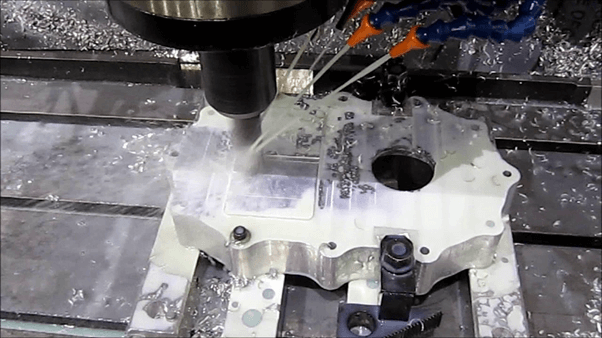
    You must have a million questions. What is CNC Machining? What is CNC Machining Capabilities? You do not need to worry; we will discuss all those in this article. In the modern manufacturing industry, CNC machining refers to computer numerical control. CNC machining is defined as subtractive manufacturing, a term that means to create three-dimension objects by chipping away at a solid block either manually or using a machine.

    Note, CNC machining uses computerized controls and machine tools to strip layers from a blank or workpiece to create a custom design. One of the advantages of this manufacturing process is that you can work with any material, including plastics, wood, metal, glass, and foam. 

    CNC is applicable in many industries, including large CNC machining services and CNC machining of aerospace parts. CNC usage evolved from numerical control machining, which utilized punched tape cards, an analog form of data storage, and it takes place through the following stages:

    1.Creating a computer-aided design

    The CNC process commerces with the preparation of a solid 3D part or 2D vector with the help of CAD design. This is done by the manufacturing company or outsourced. Computer-aided design software allows manufacturers to produce a working model program using the provided dimensions and geometric specifications.

    2.Converting the computer-aided design file into a CNC program

    Using a CNC compatible file format like STEP or IGES, the configured CAD design runs through a computer-aided manufacturing software to generate the program used controlling CNC aided machines. The program’s code is used to manipulate/command the integrated machines to make a custom-designed product or a specific product part.

    CNC machines use a variety of programming languages, including G-code and M-code. Geometric code (G-code) is the most commonly used programming language. The program is designed to control when, where, and how the machine tools move over the target mold.

    3.Preparing the CNC machine

    Setting up the CNC machine is an essential step in CNC manufacturing. This step involves the engineers preparing the CNC machine for operation. The workpiece is placed in the right position, as well as the working tools. Once the CNC machine is configured, the CNC program runs through the machine.

    4.Executing the machining operation

    The CNC program acts as the instructor for the CNC machine, telling it how to cut, when to cut, and how long. The program also instructs the CNC machine when to stop and when to start up again. Since the CNC machine is computer-integrated, the process is seamless, and the attending engineer can keep a close eye on the process to spot any mistakes that might be in the program and correct them.

    The process is fast and accurate. The resulting part or product does not have any marks that would have occurred if the cutting is done manually.

    In conclusion

    Computer Numerical Control machining can work on various materials, including glass, wood, foam, composite, glass, plastic, and metal, giving the client a variety of materials to use in designing. CNC machining is also incredibly fast and precise. The manufacturing industry benefits exponentially form CNC manufacturing as it is perfect for both small scale and large scale production of parts and products.

  • What Is A Tampered Glass Screen Made Of?

    What Is A Tampered Glass Screen Made Of?

    Your smartphone is a precious commodity that needs to be protected by a glass screen protector. Today, smartphone companies use different screen types, i.e., Gorilla Glass, which are resistant to scratches and cracks, even though they are not foolproof. Objects such as beach sand can damage your screen. For that reason, tempered glass screen protector has become prominent in the past two years. It provides your gadgets with improved resistance against scratches and cracks.

    Important Features

    1.Multi-layered

    A tampered glass screen protector is the ultimate best you can purchase. An excellent tempered glass screen protector has four layers. It usually starts with a silicon shock absorber at the base, followed by a PET film and a transparent adhesive. All of this shock absorbent silicon, scratch, and oil is compressed into a thick sheet that is durable, easy to apply, and is not heavy or obnoxious.

    2.Privacy Layer

    A tampered glass screen protector is excellent than other alternatives in each way. It has a more transparent display because of better light transmittance. It reduces glare and is anti-reflective. The oleophobic coating reduces fingerprints heavily, providing you with an even feel of real glass beneath your fingertips. Lastly, it can resist sand scratches making it a viable alternative for beach-goers.

    3.Military Grade Protection

    Tampered glass screen protectors brag a material hardness of 8H-9H, implying they are strong enough to withstand scratches from anything that is not corundum or topaz (excessively hard aluminium oxide). However, they are not shatter-proof.

    Because this is a toughened glass, the glass screen protector absorbs all the harm and breaks into tiny shards in case of a fatal drop. Better chances are, your display underneath is not damaged; therefore, you will only replace the protector with a new one instead of replacing the whole screen.

    Additionally, there are four different types of tampered glass screen protectors:

    1. Standard fit. Standard fitonly conceals the touchable area of your phone’s screen.
    2. Standard fit with rounded corners. It is similar to the standard fit, but the rounded corners enhance durability.
    3. Edge to edge. It covers the entire screen of your phone.
    4. Edge to edge with rounded corners. Similar to the edge to edge screen protector but provides the most durability.

    Dry versus Wet Tampered Glass Screen Protector Installation

    The method of installing a tampered glass screen protector is always specified on the box.

    a. Dry Installation

    This criterion uses static electricity for gluing the protector to the screen, and the application is effortless. The precise steps are explained on the package, but here are a few tips for you.

    • Look for an environment free from dust. While at home, the bathroom after a quick shower can do.
    • Thoroughly clean your phone using stickers and special wipes to pick any leftover particles of dust.
    • Align the protector to the phone’s display carefully. Some screen protectors have special tools and stickers to assist you with the alignment. Peel off any plastic covering and put it on display. If it doesn’t align precisely, gently remove it and attempt again.
    • Use a soft cloth to remove air bubbles and confirm if the screen protector has securely adhered to the display.
    • Peel out any plastic on the protector, and the process is complete.

    b.  Wet Installation

    • The installation processis similar to a wet installation. However, before placing the protector on display, apply liquid adhesive to the protector or the screen display. Adjust the protector until you are satisfied with the fit.
    • After that, use the squeegee to remove excess liquid and bubbles between the protector and display. A last wipe on the top will leave you with a clean, nice look.

    Final Thoughts

    Tampered glass screen protectors provide protection, but they are the most expensive on the market. Unlike phone cases, they don’t change the appearance of your phone but saves you a lot.

  • What benefits do you enjoy when you shop at obangbag?

    What benefits do you enjoy when you shop at obangbag?

    Online shopping is the new trend today. Everything from household wares, electronic devices to clothes and fashion items can now be found and purchased online. Obangbag is an online store for men and women’s multi-pocket backpacks, handbags, and purses used for travel and daily activities.

    Why shop at obangbag? This article will help you see what benefits you enjoy from shopping at obangbag. So, let’s get right into it.

    Why you should shop at obangbag

    1.  Obangbag offers you a variety of great products

    When people shop online, there’s a common fear of not getting good enough products. Shopping at obangbag assures you of quality products. From handbags to backpacks to shoulder bags at obangbag, you’ll always get the best products. You also get a range of colors and sizes. This allows you to make a choice that suits your style.

    2.  Moderate prices

    Obangbag offers you the best prices and quality products at the same time. With moderate prices, you are sure to get the best for less. These great prices allow you to save more money and receive quality and long-lasting products at the same time.

    3. Great shipping rates and discounts

    When you make an order at obangbag, you receive a great discount depending on how much the products are worth. For example, orders worth over $59 will be shipped for free and orders worth less than $59 will receive a shipping rate of just $7.

    Plus, there’s a return policy of 15 days. This means that if your order is not up to the standard due to a fault on the company’s part, you can choose to return the product within 15 days and make another order.

    4. Good customer care

    When you shop at obangbag, you are sure to receive great customer care.

    Customers are replied to very quickly. And there’s an option for giving feedback on products purchased. This allows you to give your reviews and ratings on the products you purchased. You could also give your opinions via social media.

    5. Helps you save time

    You can shop at obangbag from the comfort of your home saving you the time and stress of having to go shopping at a physical shop. So, you have quality products at your convenience without stress

    6. International shipping

    One of the best benefits of online shopping is the ability to shop from any part of the world. You can order and have it shipped to your country, without stressing yourself.

    Shopping at obangbag allows you to use products you want even when they’re not available in your country. All you have to do is to choose a bag you want to buy and make an international order. And you will be sure to have your order within 15 working days.

    Wrap up

    Shopping at obangbag makes life easier and stress-free and gives you a variety of o quality bags to choose from. And it continues to expand every day thanks to these amazing features that make obangbag stand out.

    So, go to obangbag now and start shopping.

  • Top techniques for freshwater fishing

    Top techniques for freshwater fishing

    Different fish species can survive in a particular scope of water temperature. For example, Bullhead catfish can flourish in waters that can get as warm as 85 degrees F. On the other hand, if you are looking out to catch lake trout, you must fish in the waters that have the 40s and 50s. Whatever the temperatures are, the guarantee of catching a fish is that you must have the right gear.

    Some fish can endure different temperature ranges while others don’t have the privilege to endure extreme temperatures. It is important that as a seasoned fisherman, you keep a thermometer with you to check the temperature first and then throw the hook.

    The Gear

    Apart from a good boat and a great fishing line, you also will be needing portable underwater fishing lights to illuminate the underwater environment. These lights not only help you see at night but they also keep you safe from wild sea creatures such as crocs. When you see something coming, you can move the boat away to safer areas.

    Salinity

    Some of the fish species such as trout cannot live in salty waters while others such as tuna need more salt. Striped bass fish favor both salt and freshwater. Oxygen levels also play a good role in deciding which waters are the best which type of fish. For example, carps don’t care much about oxygen supplies but trout cannot live on a low supply of oxygen. So, if the water you are fishing in contains plenty of grass or weed or any other kind of plants that are on the verge of decomposition, you can be sure that the waters are home to carps because plants in the water suck oxygen from the water to survive. The decomposition of plants is the process that needs oxygen to continue therefore it lowers the level of oxygen in the water. If the water is clean of decomposing weeds and plants, you can be sure that it will have plenty of trout. If the plants are not decomposing but are thriving, they will add oxygen to the water. That’s how you can tell which fish will be underwater.

    Food

    The kind of food and the amount of food that is accessible inside a waterway can reveal a great deal about the type of fish underneath it. Other factors to consider are the flow and depth of the water. For example, sunfish are likely to move in shallow waters while on the other hand lake trout loves to swim in shady water. Carps are the hardest to fish because you will able to find them swimming and searching for food on the base. So, if the base if full of food, you should stick there to fish plenty of carps.

    When you have found spots that are full of fish, the next step is to get them hooked because this means that you will have to make them leave the food that they are chomping on and get your food first.

  • Key Points to Note for Using Overnight Diapers

    Key Points to Note for Using Overnight Diapers

    Overnight diapers are designed to keep your baby dry for up to 12 hours and keep your baby sleeping well. With these diapers, you don’t have to wake up at 2 AM to change your baby. They are super absorbent due to excellent leakage protection. They are suitable for babies who have started taking solids in addition to breastmilk or formula, leading to high volumes of liquid and food intake. We discuss tips for using overnight diapers.

    Tips for Using Overnight Diapers

    • Use a Diaper Designed for Overnight Use

    All diapers can be used during the night, but for extra comfort, absorbency, and longer sleep times, go specifically for those made for this. Most are labeled ‘nighttime’ on the packaging, making it easy for everyone to identify them. Thus, investing in good overnight diapers is expensive but lasts longer as they are only used at night.

    •  Start with Small Packs

    After selecting the type and diaper brand you want for your baby, do not buy in bulk even if it is the cheapest one. Purchase a small packet, use it on the baby and see how they react to it, whether they get any diaper rash or allergic reaction, its fit, and if there is any leakage. You might get the largest quantity of diapers only to find out that it doesn’t suit your child, so always get a test pack first.

    • Limit Fluid Consumption

    It is okay for infants to feed on milk, often depending on the demand. As for toddlers, avoid giving drinks just before bedtime as this contributes to having a wet diaper halfway into the night.

    • Size Up

    This is mainly for disposable overnight diapers. As babies grow, they pee more. Larger size holds more urine, thus increasing its absorbency. At the same time, make sure the diaper is snuggly around the thighs or waist to prevent leakage that would cause the baby to wake up due to wet clothes.

    • Use Inserts/ Boosters

    A booster is cloth padding that helps to increase the rate of absorbency. They are designed to fit inside a regular overnight diaper. The insert absorbs liquid, and once it’s full, the diaper absorbs the excess. The baby should stay dry for maximum comfort.

    • Sensitive Baby-Friendly

    The overnight diapers stay on the baby for more hours than day diapers. They should be supportive of the infant’s health and must be free of chlorine, no dye, or fragrance. Consider cloth diapers if you want eco-friendly products.

    • Do a Diaper Change Right Before Bedtime

    If your baby or toddler often wakes up with a wet, leaky diaper, try to change it before sleeping and creating a diaper changing schedule. Sleep interruptions are avoided as you don’t have to wake them up for change and sleep for longer hours.

    Conclusion

    Overnight diapers are a good investment for your baby, and there is a wide range to choose from. Buy what works for your child, not for others, as all babies are different and have different preferences.

  • How CFOs can rebuild their businesses post-pandemic

    How CFOs can rebuild their businesses post-pandemic

    CFOs have faced unique challenges over the past year.

    However, the successful ones have used the pandemic and lockdown as an opportunity to develop their skills, especially when it comes to using data and introducing digital transformation to stay on the top of the numbers.

    In this episode of Agility Unleashed, the podcast brought to you by Sage that helps Britain’s businesses mobilise out of the pandemic, a group of business leaders from a range of companies share their thoughts and insights on how CFOs can rebuild their businesses as we emerge out of the pandemic.

    Here’s what they talk about:

    CFOs need to respond to events rather than simply react

    Using cash in the right way

    Too many CFOs still lack data and visibility

    Talent – still a vital ingredient for success

    Download your free guide, The Future CFO

    CFOs need to respond to events rather than simply react

    The temptation during these uncertain times might be to run around and take action as quickly as possible but, based on his experience as CFO for a startup, John Miller argues against that. He works as chief operating officer of Addition alongside its founder and chief executive, Graham Davies.

    Addition is an accountancy firm that offers plans that are tailored to the needs of its clients.

    Graham worked as an upper-tier financial consultant for companies of all sizes across the UK and then founded Addition to give that same level of quality financial input to smaller businesses.

    Graham and John still serve personally as CFO to a portfolio of around 15 companies.

    The team had crisis meetings with directors and investors but taking time to make careful decisions that would have a long-term impact was essential.

    “It was incredibly eye-opening for what it’s like to work within a small business where you are the owner-manager of that business and you’ve also got equity investors that are demanding returns,” says John.

    “My key takeaway from that period, now 15 or 16 months ago, was just to slow down and remember that you do have time to try and put in process something that’s going to work.”

    Ken Lavoie agrees with John.

    Ken is chief revenue officer at a Sage Partner, Prophix. He has spent more than 20 years working with finance professionals and pioneers in finance automation software.

    Data rather than some self-imposed deadlines or emotions should drive decisions, he says, so they’re “responding” rather than simple “reacting” to events.

    This resonates with John’s experience.

    “The main thing we looked at was our fixed and variable costs – how do we hunker down and what can we stop paying?” says John.

    “And that gives people a lot of confidence that, OK, we’ve got a cash runway that’s going to last 12 months now rather than just two months, so we can get through this, and we can hopefully weather this storm.

    “We rely completely on data to make all of our decisions.”

    Using cash in the right way

    But is cash still king, Graham is asked.

    “We always advised our clients to hold three to six months of cash in the business to weather a storm like this because you don’t know how big the storm is going to be, and I think this pandemic has really highlighted that,” he says.

    Having cash in the bank during difficult times is important but Graham’s advice goes beyond that, especially when day-to-day business might be paused because of something such as the pandemic.

    He says: “I was really happy to see lots of our clients during the time using that cash they had in reserves – the ones that were lucky enough to have it – using that cash to be opportunistic and thinking about things differently and saying, ‘Do you know what? The world’s changed but let’s think about how we can use this cash we’ve got in reserve and change the business and pivot and try this new product – now’s a great opportunity to do so’.”

    Darren Heffernan is president, mid-market for Sage partner Trintech. An ACCA fellow, he was Trintech‘s CFO for more seven years.

    For Darren even before coronavirus, the role of the CFO was changing.

    “It’s become more strategic, more operational, more as a really strong number two to the CEO of the business,” he says.

    “What was interesting to me when this crisis hit was everybody defaulted to ‘Let’s go to the CFO, let’s check our cash balance, let’s check our costs’ – all the things that Graham talked about there.

    “You were looking for the leadership for the CFO as opposed to even the CEO.”

    In addition to this, technology has become increasingly important – and its role has changed.

    Automation is becoming standard practice and boards are beginning to realise that, used properly, technology can even help to minimise or even avert a crisis.

    Darren says: “We’ve done a lot of surveys and the surveys will tell you that people who have adopted technology have been able to go through this crisis a lot easier than people who have not.

    “So, this has definitely shone a massive light on processes and procedures in the office of the CFO that can easily be fixed.”

    Download your free guide, The Future CFO

    Too many CFOs still lack data and visibility

    For Ken, the pandemic and its effects highlighted for many of his colleagues areas in which they lacked the necessary data and visibility.

    However, on the positive side, technology is freeing them up from day-to-day, repetitive tasks based on spreadsheets and adding up numbers to allow them to add greater value to the business and to become more involved in strategy.

    John says: “As a portfolio CFO now, that’s the only way I can do my job – if we use technology and leverage the team to be able to do things much quicker and much more accurately than they were doing previously.

    “Otherwise, Graham and I wouldn’t be able to offer our services the way we currently do.”

    Heads of finance are working more closely than ever with their IT and business intelligence teams to manage all kinds of data, according to Graham.

    This has been driven, to a large extent by software as a service (SaaS) but, more generally, a new generation of CFO that has grown up with technology is naturally more comfortable with it and thinks digital-first, Darren suggests.

    The group agrees that the finance team leaders are increasingly driving the adoption of technology across the business and taking ownership of key data.

    They’ll need to do the same with artificial intelligence (AI) argues Graham: “I’m guessing [that in] three to five years – AI is going to develop to such an extent that CFOs are going to have to manage this AI to make sure that they’re not made redundant.”

    One key challenge for any CFO is to balance sometimes conflicting information that is coming into them and trying to develop a single version of the truth.

    Could the increase in technology talent being recruited by finance departments help to solve this problem?

    John argues that those in charge of finance will have to become aware of how to engineer AI and other technology so that it delivers the kind of information that they need to make informed decisions.

    To keep up to date with the technology, those leading finance functions are going to have to hire the right talent, John believes.

    He adds: “[In] the same way, Darren, I think you mentioned that the CFO is usually the right-hand person to the CEO – maybe they need a data scientist or chief engineer that has got a line into them because over the next five, 10 years, they’re not going to be able to acquire that knowledge like someone who’s been doing it for 20 or 25 years.”

    The effective use of AI and data will enable those leading finance departments to support every aspect of the business rather than just handling the figures, Darren believes.

    This is obviously useful in scenario planning, something that, during these uncertain times, Graham’s clients are increasingly interested in.

    Talent – still a vital ingredient for success

    Technology aside, talent recruitment and retention is still a vital ingredient for success, according to Darren.

    He says: “The Y Generation, the Z Generation – they’re not 20-year veterans [who are] going to stay in any company.

    “You know, there’s always been that one person in your finance team that’s been there for 10 years, 15 years and knows where all the bodies are buried, et cetera, and knows when everything should be done – those days are gone and the CFOs that we speak to are very conscious of that.”

    Retaining that information is important but retaining talent is even more so.

    He adds: “You’ve got to make sure you make the job as exciting as possible for them to want to stay with you.”

    Ken’s son is studying accountancy.

    “He doesn’t want to be in a basement doing data entry,” explains Ken. “He isn’t even out of school and already wants to be at the table helping the CFO make business decisions – that’s where their heads are at.”

    Darren points out that those entering the profession these days are also very aware of the importance of work/life balance and devoting evenings and weekends to producing the company accounts does not appeal to them.

    Finally, with business entering the post-pandemic, digital-first world, Ken summarises his advice to today’s CFOs: “‘Is your house in order?’ Number one.

    “Are you producing the income statement, balance sheet, cash flow accurately?

    “Do you have a single version of the truth? Do you have the systems and the technology in place to be able to operate effectively?

    “And if it is in place, then ask yourself, ‘How can I be a change agent for this business?’ You’re sitting in a unique position, and you’ve got all of the information at your fingertips, so nobody’s in a better place.

    “So take that hat off, congratulate yourself and then say, ‘How can I be a change agent to this business to take it to the next level?’”

    Agility Unleashed podcast

    Check out more episodes from Agility Unleashed, a series of podcasts aimed at the C-suite that help Britain’s businesses pick their way out of the pandemic.

    Find out more

    The post How CFOs can rebuild their businesses post-pandemic appeared first on Sage Advice United Kingdom.

  • Understanding the Genesis of CNC Milling Services

    Understanding the Genesis of CNC Milling Services

    Computer numerical control machining, also known as CNC Machining (CNC milling services), refers to the automated removal of different materials from a block, like plastic or, better yet a metal resulting in a finished product. That process, also identified as subtractive manufacturing, is often controlled using a computer program and then executed via motorized machine tools. In this article, we highlight detailed information regarding CNC milling services.

    So why invest in CNC machining?

    At proto labs, the management offers viably quick-turn machining that works appropriately for rapid and low-volume prototyping. The stock, usually of over 30 engineering-grade thermoplastic coupled with metallic materials, can always help in making machining a perfect choice for testing the functionality of a product.

    Also, they provided the hundreds of CNC machine manufacturing elements in rather less time than the actual time taken to acquire a quote from traditional machine shops; the whole process assists you in remaining ahead of schedule.

    CNC Machine Milling

    Milling refers to a unique machining process that utilizes different rotary cutting tools that easily move along different axes to yank out material from a given block.

    A good CNC milling process utilizes 3-axis milling coupled with 5-axis indexed milling in cutting a choice of over 30 engineering-grade thermoplastics besides metals into complex shapes. The same machine and process can be used to create relatively precise elements.

    Turning

    Turning refers to a CNC machining process that uses some lathe material to create a detailed and functional prototype with various cylindrical features. The turning process utilizes a rod stock, rotated against the tooling to design the final products using an axial hole and a groove.

    The history of CNC Machining

    In the 18th century, a man started the CNC machining process. In the real sense, actually, the first turning machine that had some machine with a metallic frame was invented then. The first turning machine was introduced into the market in 1751.

    The initial long series of various machines was geared towards creating a precise operation mechanically as compared to the possibly handcrafted techniques. It marked the outset of industrialization.

     Around the time of the Cold War, the development of different automation systems was vividly addressed. So at that time, Parsons Works was entrusted with the responsibility of enhancing the production line for various helicopter blades.  In 1952, a man by the name Richard Kegg partnered with MIT to develop a top-notch CNC milling machine. So the Cincinnati Milacron Hydrotel became the first CNC milling machine in the market. It marked the commercial outset of the technology.

    The production industry relies on CNC machining to shape models and other elements. The multiple CNC machine advantages imply operator-required equipment have in several cases, been largely replaced. At the same time, the manufacturers of several types of machines in multiple sectors choose the pros of CNC machining entirely for the fabrication applications.

    Final Thoughts

    CNC milling services include different processes that often meet stringent client demands. You can go ahead and upload the CAD files and then gain access to instant quotes before getting your parts into a viable production in just a few minutes.

  • Brief Overview Of The Market Of Dental Face Mask

    Brief Overview Of The Market Of Dental Face Mask

    A dental face mask is a tool used to minimize and prevent the spread of infection or disease. It can also be called a dental mask or laser or medical procedure mask. Usually, the tool is a loose-fitting mask covering the nose as well as the mouth.

    It comes with ear loops and ties right at the back of the head. There are several brands of face masks. They also come in different colors, as earlier discussed. In this article, we take a look at the global face mask industry, including the pros of investing in these tools in the long run.

    Industry Analysis

    The face mask market has reached USD 6 billion following the crippling pandemic of our immunities. The demand for dental face masks has significantly been growing over the years in states such as South Korea, Brazil, and China.

    Face masks fall under a branch of skincare products used in the treatment of certain skin conditions, including skin hydration. The tools provide users with an ideal way of pulling out various impurities, leading to smooth skin.

    Dental face masks are also primarily used for hydration as well as deep skin cleansing. Typically, professionals can use natural ingredients, including extracting active ingredients from plants and warm-oil.  

    These applications have made dental masks highly desirable by the youth and baby boomers as the consumers continue to look out for natural products instead of investing in the ones with chemicals.

    The rise in environmental pollution coupled with unhealthy working hours has contributed to the adoption of different skincare products in the world, especially with the increasing preferences for dental masks.  

    Today, Millenials have a significant preference for organic as well as natural products since they are free from chemicals and contaminants. The growing demand for these organic cosmetics products, which claim to provide several benefits such as anti-aging as well as an acne treatment, is highly expected to provide a favorable scope for market growth and development.

    Besides, companies are advertising their products on various social media sites such as YouTube and Facebook, among others, to create brand awareness.

    The international market highly depicts a high fragmentation thanks to the numerous firms and brands, including Sephora USA and Loreal, among others. These key players have a robust distribution network in all geographical sectors.

    The combined impact of the fragmented nature of the market has deeply penetrated the supply network. It is upheld as a significant barrier for the entry of new key players into the market.

    Final Thoughts

    The world’s dental face mask market size is currently expected to record about USD20, 000 million by 2025. The unending applications of these products in the healthcare sector have recently spurred the demand universally.

    As of 2020, the market recorded about USD 45800. Our research study has assessed the dynamics of the international face mask industry across the world. When analyzing the market, our team of experts observed that dental masks are gaining traction because of the rise in consumer preference.

  • How to make use of the 3D Printed Drone Kit

    How to make use of the 3D Printed Drone Kit

    The invention of the 3D printer was a big boon to the world of engineering and architecture especially. Models and prototypes of just about any detailed computer diagram could be printed in a matter of minutes or hours at most.

    However, the 3D printers are not just useful in a working environment or official setting. The 3D printers were a lot of fun when they were initially produced. They still are a lot of fun as they allow one to print just about anything (a feature kids, youths and even some adults enjoy).

    There are various types of 3D printers. Now, the 3D printer has made it possible to possess the magic of the 3D printed drone kit as well as all the fun that comes with it. The 3D printed drone kit is more than just a regular drone set.

    What exactly is a 3D Printed Drone Kit?

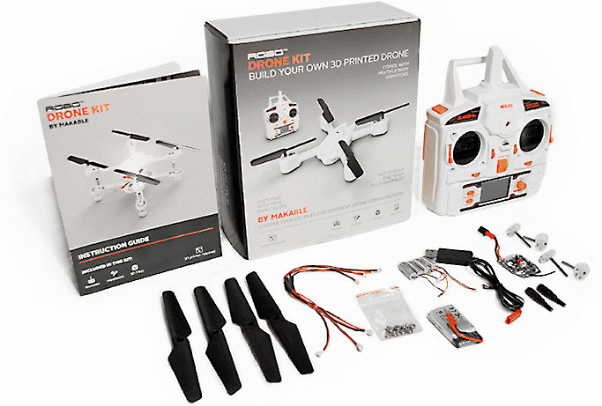
    This particular drone set (the 3D printed drone kit) makes use of 3D technology to complement itself. What exactly does that mean? Well, it is a drone set which is to be assembled by “yourself”. So it is kind of like a “do it yourself” (DIY) pet project.

    The drone set comes in various parts or pieces for you to assemble. But the “3D printed” in its name comes from the fact that you have to print some parts on your own using a 3D printer. The material you want to use is left to you to decide. The texture of the material, its color, and any other little details are left up to you.

    Benefits of the 3D Printed Drone Kit

    The most obvious benefit of the drone kit is discovered in how much of a fun package this is. This drone set allows one to start having fun right from the get-go (the coupling or assembling process). You can experience the fun of having to print certain required parts of the drone by yourself.

    Although it might seem stressful, it is the best part or feature of the drone. This is because you could use just about any material you desire. The texture, the color, all the details of the material you want to use are left for you to choose. So in a way, you are a part of the manufacturing process. How much fun is that?

    However, to make the best out of the drone, you might want to consider making use of its real-time streaming abilities. Pictures and videos streamed are displayed in 1080p full HD resolution. That is possible as the drone has a built-in Wifi video camera that can be used for real-time displays.

    The 3D printed drone could also be used for more educational purposes. For instance, giving kids in a school environment the opportunity to assembly the drone on their own (after giving instructions) is highly beneficial. This is because it allows them to brainstorm and face a sort of real-life challenge. It helps their problem-solving skill. It could also be used in subjects such as physics and mathematics for a variety of topics including gravity, mechanics, elevation and many others. The kids are also exposed to technology such as Bluetooth and even the lithium battery.

    The drone is super easy to use and control. It has a headless mode which allows for any of its sides to serve as the front. If you explore the drone long enough 360 ᵒ turns as well as other maneuvers will come naturally to you.

    Conclusion

    This drone set fits just about everyone. It engages your creativity in the printing part as you get to choose the colors you love. It is easy to assemble and loads of fun.