博客

  • How Does Smoking Affect Your Daily Life?

    How Does Smoking Affect Your Daily Life?

    It has been determined time and again that smoking is a dangerous vice. However, some people defend the vice by saying that it cannot be compared to doing hard drugs or drinking alcohol. Those who support the vice are either ignorant of its negative impact because the impact is not as visual as that of alcohol (getting high). Another reason is that they want to feel better about the fact that they may be ruining their lives. For this reason, millions of people still maintain the habit despite the known negative impact of smoking on their health and well-being. In this post, we discuss how smoking would affect your daily life.

    Impacts of Smoking on Health

    Some of the negative health consequences of smoking include;

    • It causes different forms of cancer like cancer of the mouth, oesophagus, uterus, bladder, stomach and pancreases
    • It also causes respiratory diseases like cancer and difficulty in breathing
    • It influences fertility negatively
    • It causes heart diseases like heart attack and smoke
    • Smoking during pregnancy affects the development of the fetus

    Impacts of Smoking on Well-being

    • Finances

    Like using other forms of drugs, smoking is quite an expensive habit. Being a smoker, it means you have to incorporate the smoking cost into your daily expenses. For example, high prices are greatly influenced by the fact that most smokers use one or two packets in a day. The cost is also still exceptionally high, even if you smoke less than a pack per day. This can, therefore, hinder you from using your money to do better things.

    • Cravings

    Smokers do suffer from cravings because the drug content in cigarettes is addictive same as other hard drugs. Cravings lead to a lot of stress, especially if you are not in a position to smoke. For instance, in a building or area where the habit is not tolerated in that setting. The urge to smoke can result in concentration loss, stress, agitation, recklessness, and anger, to name a few.

    • Appearance

    As much as most smokers do not like to admit to this fact, smoking significantly affects your appearance. Beginners may not suffer this impact. However, the more you maintain the habit, the more the alterations in your appearance occur. For instance, smoking causes symptoms of aging like sagging, wrinkles, and facial likes. It also darkens the lips and, in severe cases, causes hair loss.

    • Strained Relationships

    Smoking affects not only the user but those around them as well. As people become more aware of the dangers of being a secondary smoker, they tend to keep away from smokers. The fact that it causes wastage of money, aggressive behavior, and has a smell that people do not enjoy is also a factor that pushes people away. Smoking can, therefore, cause strained relationships with friends and family. This is mostly true for those who do not smoke.

    Conclusion

    It is challenging to derail people from the habit of smoking mostly because it is highly addictive. However, creating awareness of the side effects of the habit is a stepping stone to helping addicts find help.

  • How To Take Your Bathroom Vanity To The Next Level?

    How To Take Your Bathroom Vanity To The Next Level?

    Your bathroom vanity is a part of your bathroom where you can let your creative juices flow, so you need to make a statement with it. If your bathroom vanity is not giving you what you need style-wise, you can replace it with a new one from bathroom vanities Sydney. You can also revamp it with any of the following tips:

    Give it a unique color

    Sometimes, you need to give your bathroom vanity a new look to slap on a fresh coat of paint and call it a day. Maybe your vanity doesn’t fit the color scheme of your bathroom or home. Sometimes the color looks a little bit drab. You can use a new color or repaint using the original color to give it a new look and sparkle. Sand the edges to add a rustic theme to it, and don’t forget to seal it in with a base. It’s so easy that you can do it on your own without needing a professional.

    Add accessories

    You can’t go wrong with some new accessories on your bathroom vanity. If you feel like the accessories you have currently don’t work for the look and theme of your bathroom, a simple change in your accessories can do a world of good. Faucets, sinks, and even ornaments on the vanity can change the appearance of your bathroom vanity. If you want the vanity to match the other parts of the bathroom, the accessories are a low-cost way to do that.

    Change the hardware

    The hardware of your vanity might seem inconspicuous to you, but the eye goes there a lot more frequently than you think. Parts like the hinges, handles, and locks can make a stark contrast against the rest of your bathroom, and not in a good way. You can decide to repaint them to match, but sometimes, especially when they’re old, it is better to replace them with newer, shinier pieces completely. Of course, the new parts have to go along with the other metal pieces in your bathroom, like the towel bars and door handles.

    Replace the base

    A lot of bathroom vanities are passed down from older generations, so it is easy for you to see them as out of style. If you’re not a fan of vintage, keeping the base of the vanity is probably a wrong choice for your bathroom. Besides, replacing just the base is usually cheaper than replacing the whole thing. You can decide to go the traditional way and get a new bathroom vanity, or you can do a little DIY and replace it with an old dresser or table you prefer.

    Add tile

    Adding some tile to a well-loved vanity can bring back some life into your bathroom space as long as it is done correctly. Tile in the bathroom gives a classic look that comes with a lot of variety and patterns. From the classic white tile to bolder patterns and stripes, you will find a tile that fits into your bathroom.

    In conclusion, changing the look of your bathroom vanity can be as easy as adding a few new pieces or simply trying out a new color. It isn’t rocket science, and you don’t have to put too much effort into it. A little tweaking here and there can take your bathroom vanity to the next level.

  • What home camera security systems have to offer

    What home camera security systems have to offer

    Research shows that the rate of home invasions and burglaries has decreased significantly in recent years. This decrease can be attributed to several factors. These factors include the fact that security providers have put more effort into increasing security. Another factor that has led to reduced rates of insecurity is the introduction of home security systems. While some people prefer to hire private security guards and use electric fences, some prefer security cameras installed all around their property. A security camera system is a collection of security cameras in different parts of the house (interior and exterior) and connected to a single network. The best home camera systems provide the maximum benefits of home camera security systems.

    Below are some advantages of home camera security systems.

    • Cost-efficiency

    While some of the most complex and efficient security cameras cost a lot of money, the money is only spent ones. This fact means that you do not have to keep spending money on the cameras once you have bought them. For cameras that store footages on the cloud, the only costs you have to incur are monthly cloud storage charges. On the other hand, cameras with separate local storage drives are very cheap. Compared to hiring security guards, home security cameras are more cost-efficient.  It is, however, a wise idea to ensure that the camera you get is of good quality as cheaper cameras are not efficient.

    Additionally, installing a home security camera reduces the number of insurance costs. The reason is that home camera systems deter the criminal activities in your home hence making it less of a target to theft.

    • Enhanced security and collect evidence of illegal activities

    The main benefit of security cameras is the fact that they prevent security threats like invasions and other illegal activities. Security cameras can, therefore, be installed in houses of all sizes, schools, and commercial spaces to enhance security and prevent theft. When intruders notice the presence of cameras, they are less likely to partake in illegal activities.

    In other cases, the footage collected by the cameras can be used in the court as evidence of illegal activities. Business owners and corporations also use security cameras to monitor the actions of their employees and deter inappropriate behavior. Footage from security cameras can also be used as evidence towards insurance claims.

    • Promotes peace of mind

    Homeowners and business owners experience better sleep and peace of mind knowing that they have installed security camera systems. The cameras create a sense of security whether or not there is the presence of illegal, property, and life-threatening activities. Homeowners living in areas with high crime rates also experience reassurance from having camera systems.

    Final Word

    Once a home security camera system has been installed, it is straightforward to keep it properly maintained. This factor also contributes to the cost efficiency of this mode of increasing security. The benefits of the cameras increase with the type of camera. Cameras like motion detector cameras help to prevent intrusion before it gets out of hand.

  • What type of lights are used in stadiums?

    What type of lights are used in stadiums?

    Lights are an essential aspect of any sports stadium. When constructing a stadium, a lot of emphasis is placed on the element of lighting. There are International Lighting Standards that govern the types of lighting installed in sports stadiums. The International Lighting Standards provide several regulations regarding lighting for sporting fields rest on the kind of lighting in sporting fields. However, the influence varies with the importance of the competition. Many are the cases when stadium lights are renovated because of high priority or relevance of the game or tournament taking place on the venue. Stadiums require both indoor and outdoor lights. This post will talk about major types of lights used in stadiums.

    What type of lights are used in stadiums?

    Stadium lighting calls for the use of high wattage lights. These are lights that produce a lot of light (in terms of beams and illumination). The reason why stadiums require high wattage lamps is that the high-intensity lights support vision fort both the players and the large crowds. This also means that games with more popularity attract more crowds hence require even higher wattage lamps.

    The lesser standard games with more secondary viewers may not need as much light as the latter. The indoor stadium lights are mainly aimed at helping the crowds and the players while the outdoor stadium lights are used in the parking lots. They help to keep the areas secure, support vision, and prevent instances of theft or stampeding due to inadequate lighting. 

    The costs of stadium lights

    Compared to other forms of lighting, stadium lighting is relatively costly. The reason for the high costs is the amount of electricity that the high wattage lamps use up. The number of fixtures needed to keep an entire stadium well light is also high. This also affects the cost of the lights. The use of LED lights in stadiums relatively reduces the value of the lights. This, however, does not take away from the fact that the amount of energy of consumption is relatively high. The cost of the lighting also increases with how often the stadium is used. 

    Choosing the best stadium lights

    There are quite several aspects to reflect when choosing the type of lighting to be used in stadiums. 

    1. The angle of the beam

    For effectiveness, light in a stadium has to be dispersed in such a way that there is a balance in the entire field. If the beam angle is too wide, the light regularity would be high. On the other hand, if the perspective of the beam is low, the uniformity would be small. 

    2. Heat dissipation

    One of the reasons why stadium lights get damaged is overheating. Proper ventilation would resolve this issue. However, lamps made of aluminum (a good conductor) would do the trick.

    Take Away

    Waterproof lights would also be a good option for stadium lights. Such lights can beat elements of weather like humidity and rain. It is also a wise idea to go for good quality lights to reduce costs and encourage durability.  

  • Solar Cable Applications- Choosing The Kind That Suits Your Needs

    Solar Cable Applications- Choosing The Kind That Suits Your Needs

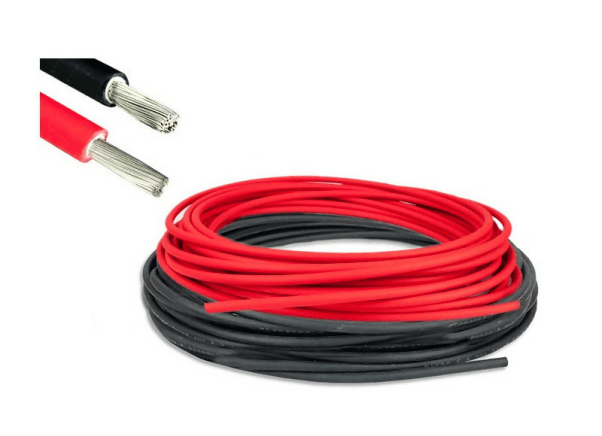
    A solar cable refers to the interconnection cable primarily utilized in power generation. The device interconnects solar panels in addition to other electrical components of a viable photovoltaic system. Solar cables are UV resistant. They are also weather resistant. For that reason, they are capable of withstanding a significant temperature range. Being solar cable specialists, we provide our clients with innovative solutions on various projects that often rely on sustained operational performance coupled with minimum maintenance with a viable setup. In our blog post today, we shall highlight solar cable applications in various sectors.

    The diversity of solar cables allows it to cover a broad range of connections between solar panels as well as other elements in the industry. In response to that demand for energy and the government entities, the renewable energy industry has been designing platforms for new technologies in order to capture energy from the environment and supply power not just to the locals but the international network too. Our solar cables are readily available in the largest retail stores, which happen to be respected solar farms across the world. Our cable solutions have immensely played a role in contributing to the completion of large solar generation plants around the globe.

    Looking At The Portfolio Of Solar Cables

    To understand the wide variety of solar cable applications, you need to comprehend the existing portfolio of the product on the market. Our solar cables are prominent for being manufactured in the requirements of different international standards. They are such as the 12AWG 600 Volt and 10AWG Volt. These two cover a broad range of applications from rooftop projects solar installations to solar array panels. The robust outdoor cable range is also designed to withstand harsh environmental conditions as well as degradation from ultraviolet light exposure. At the moment, we supply bare copper conductors and cables. These products are effective in connecting the solar installation to certain substations as well as the power grid.

    Product description

    • 12AWG Cable

    Our photovoltaic cables meet the standard quality requirements of cable production, which is highly superseding the industry threshold of solar cable approvals. Our products have undergone extensive testing programs in order to deliver quality cables with a long lifespan of about 20 years- this is highly consistent with the standards we have set for our cables. This cable is also cross-linkable and halogen-free. These features make it a viable choice for the insulation of a wide variety of products.

    • 10AWG

    This is a bulk solar cable. It is appropriate for applications that need up to the 600-volt rating. It can also be used in grounded interconnection as well as ungrounded photovoltaic power units.

    Take-Home

    Our complete solar cable solution prides itself on providing a full project line from cable selection to dispatch, logistics, and then testing. All these occur offsite as well as onsite. The in-house specialist testing laboratory we own provides wealthy information based on technical expertise surrounding customized cable development. We shall disseminate important information regarding applications of cable wires in various sectors. To ensure that there is optimal performance of the solar system, find out more about solar cable accessories such as connectors and specialists. The knowledge amassed will help you to enjoy error-free cable installations.


  • How to be a one-woman small business

    How to be a one-woman small business

    How do you make your passion project into a profitable small business? Enter the founder of Gutsy Girls, Natalie Bannister.

    Nat is an inspiring, creative and outdoors-loving entrepreneur who runs jaw-droppingly gorgeous active retreats for women with the aim of empowering others to get out of their comfort zone, make friends and interact with the natural world.

    This article is absolutely jam-packed with small business advice, so let’s get into it…

    Bootstrap a passion project to snowball into something bigger

    Make sure your messaging is inclusive to reach a wide customer base

    Trust your taste and instinct when designing your product

    Pricing is always the hardest thing – but here’s what you do

    This is when I made my side-gig my main gig

    You don’t need to be good at numbers – but you do need an accountant

    Tips from someone who has dealt with small business-owner-burnout

    Self-compassion is a mindset you must take as a business owner

    Problem-solving requires you to be present in the moment

    Social media: How to use it for your business – and a word of warning…

    Invest in Google AdWords, rather than Instagram ads

    The secret to retaining clients

    You don’t have to scale your business

    Download your free side hustle toolkit, comprising a side hustle guide, business plan template and cash flow forecast template

    Bootstrap a passion project to snowball into something bigger

    Bex Burn-Callander:

    I can’t wait to find out how this business came about.

    Because it’s a bit of a leap from missing something, missing a lifestyle, wishing something would happen, to actually thinking not only I’m going to make it happen for myself, but I’m going to make it happen for loads of other people like me.

    Do you want to just tell me the origin story?

    Nat Bannister:

    Ok. So yeah, I was living in Portugal for about three years working in a surf camp and I made the move to London to be with my boyfriend.

    And when I moved, I was suddenly really isolated and I found it really hard to find community.

    I guess, I worked from home, so all of you now know how it feels to work from home and how isolating that can be.

    So it was trying to find out about a way to connect with other people.

    I didn’t have the budget to be able to join a co-working space. So it was how do you find people in London?

    And what I did was I joined a rowing club and I learned how to row and it was so much fun and I absolutely loved the mornings on the Thames.

    But there’s a huge amount of commitment in a rowing club if you really want to get involved. And I was like, what can we do where it combines adventure with that community experience and bring women together.

    And so, yeah, it grew from there and it was always just a passion project.

    It was always about getting women outdoors and active and now it’s just snowballed into something completely different.

    Bex Burn-Callander:

    You said that Gutsy Girl started as a passion project.

    So does that mean you had a full-time job at the same time? What were you doing?

    Nat Bannister:

    Yeah, so I was a social media marketer. I learned Facebook advertising while out in Portugal and was consulting for lots of different companies and coming up with digital strategies for people.

    So I bootstrapped my whole business and just did it off the back of what I was earning.

    And I was in a really fortunate position that Gutsy Girls didn’t have to make any money.

    So it was really just about sticking to its core roots and understanding what I wanted it to do and how I wanted it to help people, because I was in that privileged position where I didn’t need it to make money.

    So for me, it’s really important to create a space where women feel welcome in nature and the outdoors and adventure.

    And so that’s always been the driving force is trying to remove barriers to get women into new sports, to show everyone that everybody is welcome in nature. And everybody’s welcome in adventure.

    It doesn’t need to be a really intimidating place and you can give something a try without really putting a huge amount of commitment.

    You don’t need to label yourself as adventurous or active. You just need to come and try a new activity or go out for a hike and meet women.

    So yeah, that’s always been the driving force behind my business for sure.

    Make sure your messaging is inclusive to reach a wide customer base

    Bex Burn-Callander:

    But how would you do that?

    How would you create a retreat where you’re going to have people of extremely differing abilities?

    You might do a surfing trip and some people might be amazing surfers and some people might have never even touched a surfboard before.

    How do you create an experience around people that as the different?

    Nat Bannister:

    So for me, it’s the messaging. It’s understanding that we’re really a welcoming space and we’re really a non-intimidating space and it is a place where you can come if you’ve never even seen a surfboard or you’ve never set foot on a paddleboard.

    For me, it’s really about creating an experience that shows you don’t need to have any experience.

    The messaging in our social media and our branding is all about inclusivity and making sure that you feel welcomed no matter what your size, ability, your shape, your race.

    For us, it’s really about creating safe spaces for women in adventure in nature.

    Bex Burn-Callander:

    And tell me about some of these retreats, some of these experiences.

    Can you tell me about, I don’t know, your top two, where were you went, what happened?

    Paint a picture.

    Nat Bannister:

    Oh, it’s so hard. Everyone always asks me what my favourite water one is.

    And it’s like choosing your favourite child. I don’t have a child, but I imagine that’s really tough.

    My favourite ones are the paddleboarding expeditions that we do.

    So paddleboarding with everything that you possibly could need for five days in the wild and you pack it into a dry bag, put it on the front of your paddleboard. And we go out and explore incredibly remote places, which are really difficult to get to by foot.

    What I love about paddleboard expeditions and experiences is that you don’t have to carry anything on your back.

    So you have space in your bag for the luxuries, like a really decently little pillow or an extra pair of leggings. Stuff to keep you warm.

    When you’re hiking, you have to strip all of that down.

    I really like luxury experience of a paddleboarding expedition. But also just accessing these incredible places.

    We do one place up in Scotland to Knoydart, which is one of the most remote and wildest places in the whole of the UK.

    It has the most remote pub as well, which we have to pop into at the end of the trip.

    But yeah, we go there and you don’t see a soul for a few days and you really realise how incredible nature is and how much you can learn from those experiences when you have so little with you, apart from your little extras.

    But you really don’t need to have much to experience the world and what it shows us in that is incredible.

    But it makes you really consider what you do and don’t need in your life.

    And actually what’s more important. Is it actually accessing spaces like this? Or is it the material items.

    It just opens your eyes to a different way of thinking and a different way of being.

    Scotland is up there as one of my most favourite places.

    We’ve been there a lot recently because of the pandemic. But also Norway for me is incredible.

    So we do paddleboarding expeditions on the fjords and, for me, Norway is special because my mum and my whole family are from Norway.

    So it’s like going home and it’s such an incredible landscape and yeah, it’s just one of those incredible places where you just feel… awe-inspiring landscapes where you feel tiny and insignificant.

    And that is a really powerful experience as well, to feel mini in nature because it takes all of your worries away.

    You can start to see things in the bigger picture when you’re feeling insignificant in grand spaces.

    Download your free side hustle toolkit, comprising a side hustle guide, business plan template and cash flow forecast template

    Trust your taste and instinct when designing your product

    Bex Burn-Callander:

    I’ve been completely transported.

    I can see fjords boards and snowy topped mountains. That was an amazing description of what you can expect from a Gutsy Girl trip.

    And how do you pick them?

    So talk me through your mindset and your thinking processes when you’re putting together a retreat. Are you constantly researching on your laptop or are you constantly flying to places when such things like flying were possible to check stuff out?

    How are you creating the packages?

    Nat Bannister:

    A lot of it is selfishness because I want to see them, and I want to experience them.

    So actually the first Gutsy Girl retreat was this one in Norway. And I actually thought that no one would go at it.

    I used it as clickbait.

    I was like, oh, the fjords of Norway. Paddleboard on the fjords of Norway. No one will really want to do that and camp and all of that.

    And it sold out so quickly.

    So it was what do I want to experience because I’m really fortunate to be my demographic and my audience. I get to experience it the same way as my clients do.

    So I really think about that.

    And also, for me, it’s really important to look at sustainable and responsible travel.

    So all of the people that we work, we always look to improve and share the wealth between the economies that we visit.

    So when we go to Croatia, we stay on a tiny little island, which only has 240 permanent residents, but we made sure that we use all of their accommodation, their food.

    We make sure that we’re really experiencing the cultures and the places that we visit with the locals.

    And sustainably as well.

    So making sure that we leave no trace, we have a real green ethos and we try and encourage you not to fly to us if you don’t have to fly. If we can try and find you alternative routes.

    So for us, it’s really, that’s maybe more where we’re shift to in the future.

    Once travel starts to really open up is ensuring that everything that we do is sustainable and has a really positive impact on the communities and the areas that we visit.

    Pricing is always the hardest thing – but here’s what you do

    Bex Burn-Callander:

    Well, as someone who is half Croatian, I applaud you giving back to my motherland. Thank you very much.

    And when you’re deciding pricing, because it must be a real balancing act trying to make the prices accessible, but you still need to make a bit of profit. It needs to be a sustainable business.

    So how do you decide, where do you put the price?

    Nat Bannister:

    Pricing is always the hardest thing.

    And I think when we start businesses, we’re always really nervous about pricing too high, but actually it’s understanding your worth and your value, what you’re actually given.

    In the first year, I definitely under-priced everything because I was so nervous and I didn’t really know where the business was going and what my audience would like.

    But actually now I feel really comfortable and confident in our pricing because we do use the very best guides and we do always eat at the best restaurants and we do provide the best possible equipment.

    So, actually all of those small things actually do add up to become a much more expensive experience.

    But also when you come and you experience that and you don’t have to check on TripAdvisor where you’re going to eat that night and all of the stress of… not stress, but all of the admin that goes behind having a great holiday, which you plan yourself.

    For me, I’m all about removing that.

    And it’s just like, you just turn up with your suitcase packed and we give you your packing list and you just literally just turn up and relax and I will tell you what you’re doing that day.

    You don’t need to think about it the day ahead.

    And for me, being confident and knowing the value that we add and what we offer, has been part of my present strategy.

    And for me, I really want to pay all of our guides a really sustainable wage. Actually the outdoor industry is incredibly underpaid and undervalued.

    Qualifications and the training that people go through is significant. And so we should be paying our guides and the people that we share these experiences with a fair wage.

    So that all comes into the price.

    And for me, the pricing strategy just comes from knowing the value and knowing what I need to have for marketing strategy and also to pay my guides and pay my hosts and yeah, so that everybody has a sustainable business going forward.

    Bex Burn-Callander:

    Well, I like that as well. Because if anyone pushed back and said, “Oh, this is a bit pricey,” you can say, “Well, I pay all my suppliers a fair wage. We invest in every community that we visit.”

    It’s not that these prices are plucked out of thin air. Everything is based on your strategy as a business, which I think is really great advice to anybody.

    Just make sure that your pricing is, it’s clear because this is what you’re doing. This is where the money is going. I love that.

    Nat Bannister:

    Something that I’m working on this winter, is how do we give back and how do we maybe shift towards social enterprise area where we can support other women who can’t financially support themselves to come on these experiences?

    Because accessing the outdoors shouldn’t be an exclusive experience and it is unfortunately, and for me, understanding now that the business is in a comfortable position four years in, now I’m looking at how do I actually go back to its core roots and connect all women?

    And making sure that’s part of it.

    So actually, maybe my prices will go up as well because it will actually be contributing to other people within our community who haven’t got the financial needs to join us at the moment, and so for me, it’s about sharing that experience with as many people as possible.

    This is when I made my side-gig my main gig

    Bex Burn-Callander:

    How long did it take before you thought, right, I can take the jump, I can move to Gutsy Girls full time?

    When did you stop doing the social media on… Well, when did that stopped being your side hustle and start being your main role?

    Nat Bannister:

    So I think around year two, I started to really cut back on my social media marketing freelance roles.

    I still take occasional contracts, it’s hard to turn down, hard to turn down income, but I’ve been really lucky, I had several streams of income when I was first setting up Gutsy Girls.

    I had a property where I lived in Portugal that I continued to Airbnb out, I was still doing my social media marketing, and I was also running a surf company for students, bringing student groups to Portugal.

    So there were loads of different ways that I had a lot of income coming in, and slowly, I had to just really realign and be like, what’s most important? And Gutsy Girls kind of…

    Yeah, it is a scary thing to rip off the band aid and be like, OK, I’m going all in on this one idea and one way of going forward.

    So yeah, around year two, I started to really cut back and pretty much, I still have a few occasional contracts here and there, but just because sometimes it’s nice to mix it up and to use your brain in a different way, not for your own business.

    Download your free side hustle toolkit, comprising a side hustle guide, business plan template and cash flow forecast template

    You don’t need to be good at numbers – but you do need an accountant

    Bex Burn-Callander:

    But the if you had these different income streams, understanding your earnings and your tax must’ve been really complicated.

    How did you even tackle that? Did you do it on your own? Eek.

    Or did you find an accountant? How did you handle that?

    Nat Bannister:

    Oh, so don’t ask me about finances, I’m terrible about finances.

    But I’m going to be honest, having a great accountant, trusting your accountant and knowing enough about your finances, but also knowing that you won’t know absolutely everything.

    And that was one of my hardest thing, I guess with anything, when you start delegating work out and stuff, it’s losing the control, which I found really hard.

    Turns out I’m a control freak.

    But yeah, just really having a strong understanding of what your numbers are, but also asking for help because I’m not great with numbers.

    I learned how to use spreadsheets for the business and I still hate them but also love them.

    There’s a love, hate relationship with them, but just asking for a recommendation for a great accountant from friends and family and other business owners, and not being afraid to move accountants I guess is probably one of my top tips on that.

    Knowing when actually your accountant maybe hasn’t got as good a grip of your numbers as maybe you thought they did and going with somebody else.

    Bex Burn-Callander:

    Did that happen to you where you were kind of like, “Hey, why are you not getting this relief?” Or “Why are you not putting these expenses on?”

    And you had to be like, that’s it, we need to have someone new?

    Nat Bannister:

    Yeah. So I think I was really unlucky with one of my accountants who we were using software to monitor our invoices and they duplicated the invoices, so I had double the amount of sales.

    And when I was looking at the turnover, I was like, that’s definitely not my turnover.

    And then I think the attitude of just like, “Oh yeah, we have doubled it.”

    It took them a long time to accept that they had doubled the invoices.

    So yeah, knowing that you need to know your numbers enough to be able to double-check workings of other people, to that point, and then yeah, it was just a position, it sometimes is painful to move on because you have to do more work and admin involved in that.

    But it was like, well, this is obviously a clear sign that I shouldn’t stay with this company anymore. So yeah, cut your losses and move on to the next one.

    Bex Burn-Callander:

    What a nightmare.

    Had they already communicated those numbers to Companies House and stuff or did you catch it in time?

    Nat Bannister:

    I caught it in time, yeah.

    And that was it, I think that’s an important thing is just to know your numbers enough to be able to be like, wait a second, that definitely isn’t right.

    Yeah, it was great turnover, just a shame it’s totally fake and it’s definitely not mine, it’s definitely double of whatever.

    Bex Burn-Callander:

    Is this my business?

    Nat Bannister:

    Yeah. Where’s my profit, where’s my money?

    But yeah, no, so just know when you’re having a grip of your own numbers, but then also not being afraid to also ring your accountant, and finding an accountant who doesn’t make you feel stupid and will happily sit there and talk through it for you.

    And for me, I really want to understand as much as I can about it so that I know.

    It helps shape decisions for the future, and so just having a really good relationship with your accountant is great.

    And if they’re willing to sit down with you and really talk through it, then those are the ones to stick with. But the moment you see massive errors, make sure that you pick them up soon.

    Download your free guide, How to find an accountant for Self Assessment support

    Tips from someone who has dealt with small business owner burnout

    Bex Burn-Callander:

    Yeah, that’s the end of that relationship.

    But Nat, because you’re someone that clearly is very adept at juggling lots of balls and keeping them all in the air, I want to talk about a subject that we chatted about a little bit when we caught up a couple of days ago, which is burnout.

    Because I can imagine when you have so much going on, it would be quite easy to become overloaded and not even really realise it.

    Tell me about your experiences. What is burnout, how did it affect you and what did you do about it?

    Nat Bannister:

    Burnout is something that I didn’t really believe existed, I always thought that you had to just keep going but last year was obviously an incredibly tough year for everybody.

    I adapted to the pandemic by just doing more and pushing really, really hard, and finding alternative trips in the UK and finding different events in the UK.

    I pushed the business so far forward but didn’t look after myself, and then come September, October last year, I just found it really hard to focus and concentrate, and small tasks that I would normally find really easy were really incredibly difficult, and a huge amount of fatigue and irrational thinking, I guess.

    And yeah, my mental health definitely suffered as well.

    I had feelings of anxiety and suddenly, I wasn’t loving what I was doing because I was just so tired and it was so much work.

    So last year, come the November lockdown, I was like, oh, I can take a week off, one week off.

    And then I was like, oh, maybe I could take two weeks off.

    And then I started to panic and I was like, maybe you should take a whole month off.

    And I ended up taking six months to fully recover and accept that actually, what I’d done was I’d burnt out, I hadn’t looked after myself in the whole process.

    And I think that’s a lot of things that I would recommend all business owners, is remember that you’re your most important asset in your business and if you’re not well, then your business is not going to do well.

    You need to really look after yourself, and I didn’t do that for probably the three years that I ran my business, because I love my job and it feels like what I do is an incredible thing, so I felt really bad that I would feel tired or stressed out from it or that it was difficult.

    It was like, you’re doing your dream job, you should be loving every moment.

    And by last year, I realised that actually, I just needed a break and I needed to take some time off for me.

    For me, I just learned so much in that process.

    Actually, those six months off have probably been in the most important part of the growth for the business, because now I know how to look after myself, which means that the business can continue to grow forward.

    But also what I can teach other women from the experience that I’ve had and just to make sure that you do look after yourself, and what I’ve learned now, if the business was to go under, it’s not the biggest deal.

    As long as I’m still happy and healthy, then actually, I can put my mind to something else.

    So in my process of going through burnout, I learned how to meditate, which as somebody who’s incredibly active and needs to be moving and have energy all of the time, and always must be outdoors and active in that way, it was really hard to sit still for half an hour, sit with my own thoughts.

    So now I learned all about self-compassion, which is another word, like self-care, that makes me feel really cringey and like, oh, self-compassion.

    But actually understanding what self-compassion is will make you a better business owner, because actually, if I’m kind to myself, I’m less likely to beat myself up if I make mistakes because I’m on my own side.

    Self-compassion is a mindset you must take as a business owner

    Bex Burn-Callander:

    I love that you’re touching on this because I want to know, when you realise you were going to take some time out, how did you handle that as a business owner?

    Did you put a post up on Instagram? Did you email your whole customer base and explain what was going on?

    How do you prepare the outside world for when you need to take a step back?

    Nat Bannister:

    It was quite a vulnerable subject to talk about.

    For me I guess, talking about mental health and stuff as a business owner is maybe something that people do need to talk about.

    And it’s a weird thing as well because you feel like as the leader of something or the entrepreneur, you should be really strong and resilient. I thought resilience was always about, you can do this, come on. This really kind of strong attitude of, it’s OK.

    That kind of keep on going, keep on going.

    Actually, that’s not really, for me, what resilience actually looks like anymore.

    Resilience is actually knowing when to stop, and that was my breaking point in November was actually, do you know what? You need to just stop and everything will be OK. Once you’re OK, you don’t have to motivate yourself with critical words. You don’t need to be hard on yourself.

    Actually. You can just be your own best mate and support yourself. The way that we talk to ourselves is normally, unless you’re compassionate and you’re naturally in that way, we always give ourselves a bit more of a hard time.

    And when we think about, actually, would we talk like that outwardly to a friend? Maybe we wouldn’t.

    And so for me, really understanding self-compassion actually is a really strong mindset to have because actually, you’re not going to be scared about making mistakes or about failure.

    You’re actually just always going to be there, no matter what. And for me, that’s been a really important part of my journey. I just took a break. I took a break from social media. It was really, really good. I highly recommend.

    Like that blackout, the most recent one, Instagram and that went down. I was like, oh my God, stay down, stay down.

    Bex Burn-Callander:

    Hooray.

    Nat Bannister:

    Yeah, we don’t need it.

    And then really, I guess nobody really noticed in a weird way, because I wasn’t out literally making any announcements or anything, it was just an out of office saying, hey, we’re taking a break, and that was kind of it.

    And the break just got extended and extended because actually, I thought that I only needed a month off and through taking more time off, actually, I was like, do you know what? Maybe I can.

    The world is closed down right now, so there’s actually no reason for me to be pushing and planning for the future because we don’t know what the future looks like.

    So actually, if you can just pause for the moment and really look after yourself, what can you learn and grow in this situation? And then how will that shape you going forward?

    And it’s so important to take time off as a business owner, and as anyone, any employee. We don’t give ourselves enough time off.

    And if you think, if I … I’m really bad for it. I’m still, even though I’ve had six months of learning, this year I’ve still definitely worked 10 days straight or 12 days straight, and worked really long hours. And then I start to feel sick.

    So right now I feel a bit run down.

    And it’s like, “Actually, if you’d just taken your weekend off, you won’t need five days to recuperate, or you won’t need six months off to kind of get your brain back in action.

    “Actually, if you learn to look after yourself through the whole period of running your business, you’re not going to have these big downtimes where you do just need to just turn off or sell or like get out of the business.”

    Actually having boundaries and looking after yourself is really important.

    Download your free side hustle toolkit, comprising a side hustle guide, business plan template and cash flow forecast template

    Problem-solving requires you to be present in the moment

    Bex Burn-Callander:

    It’s really fascinating talking about the pressure that you put on yourself as a small business owner. Because I was thinking about that recently.

    My line now, when someone says to me, “Oh, do you want to do this thing, or take this break, or come out for lunch?” I’m like, “My boss won’t let me.”

    And they’re like, “Who is this fiend that you work for?” And I was like, “Yeah, it’s me.”

    I’m definitely the harshest boss I’ve ever had, who completely will not let me do that thing. So there’s just no point in asking my boss. Just doesn’t let me do anything.

    But it’s true for most people who run their own things, you are.

    Nat Bannister:

    Yeah. I said exactly the same thing to myself, was like, “My boss is a tyrant. She doesn’t ever let me have any time off. She makes me work on weekends.”

    And it’s like I’m totally in control of that.

    But we put a lot of pressure on ourselves to succeed. And I guess understanding what success looks like to you as well, has been an important part of my journey over the six months that I was off, was that actually: what do I want this business to do? And what’s really important?

    And actually, if I’m not strong and I’m not looking after myself, what message does that give to my community as well?

    And I really want to be encouraging. I can create all of these incredible experiences for other people and show them so many things. But actually if I’m not learning or looking after myself in that same process, then I’m not living my own ethos or ideas.

    Bex Burn-Callander:

    And when you have that time off, were you sort of dreaming about the future of Gutsy Girls?

    Did it sort of open up any new avenues that were interesting, or tweak the way that you saw the future unfolding in any way?

    Nat Bannister:

    To be honest, no. I didn’t want to think about Gutsy Girls. It was a real like… Yeah, it was a really interesting experience to be like, “Actually, it’s OK. Think about yourself now.”

    And that’s the hardest thing about, I guess, being a business owner, is actually your mind just goes off on to the ideas so easily.

    Even on the weekend, you’re like, “Oh, this is a great idea. Oh, I’m on my weekend.”

    And it would feel almost like your business is robbing you of time even when you’re off. And now it was a really good experience to actually recognise that those ideas are going to come back at some point when I will need them.

    I don’t need to write them all down right now. Actually just resting and looking after myself is really important.

    The things that I did learn from it, I guess, were: how do I teach other women to be self-compassionate?

    I already know that from the work that I do. I’m really lucky that I get to experience nature and do all of the adventures with the people who are my clients, because I go on so many of the trips.

    And I can see how easily we get wrapped up in our own ideas of ourselves or self critics.

    And it’s always been part of what Gutsy Girls does is kind of self-compassion and helping women challenge themselves.

    But really, in that time I guess, I really educated myself on how you could kind of look after yourself and how you could talk to yourself in a better way.

    Bex Burn-Callander:

    How did the sort of programming change?

    Now that your focus is also on helping women to be a bit more, I don’t know if mindful is the right word given all the context with mindfulness, but like more aware of what they need, more aware of that they have a right to downtime?

    Did that change some of the retreats that you put on?

    How did it change your mix?

    Nat Bannister:

    I guess. So we didn’t change too much. I didn’t change too much about what we did on our retreats.

    But actually it was more about how do we engage in conversation about this, and how do I share my experience?

    And I guess slowly it’s about sharing my experience with guests who come with us on our trips, but also being really open on my social media and sharing things that I’m learning and my insights, and kind of my ideas and helping people unpack kind of the self-critic and having those conversations.

    Mindfulness has always played a massive part of what we do, but I never really understood what mindfulness was. Because when I first learned about mindfulness I thought it was colouring-in books. Like it was that kind of everyone jumped on the back of it being a mindful activity.

    But actually, mindfulness is really just being really present in that moment and in a non-judgemental way as well, of to what you’re experiencing.

    It’s definitely bringing, when we’re paddleboarding in an incredible environment, it’s like just a little prompt of like, “Hey, are you here now? Make sure that you’re here now. Feel the feet on your board, look around in nature.”

    And that’s what nature does actually, that’s why so many of us find it such a brilliant respite in how much nature can really heal.

    It’s such an important part for mental health and wellbeing, is to get out into nature.

    And a lot of it is, it does bring us into that present moment because it’s harder to think about what you need to worry about when you’re… For me, I found mindfulness when I first learned how to surf.

    You can’t be thinking about your to-do this when there’s a wave coming towards you. You really need to be in that moment and be present.

    And all of the sports that I’ve always done, like climbing as well, you’re problem-solving.

    You’re not thinking about what’s happening tomorrow or regretting what you said in that meeting, or anything like that. You’re present in that current moment.

    And actually nature teaches us mindfulness in a really natural way.

    You don’t have to sit on a cushion to be mindful. I do highly recommend it though. It’s definitely a great way to improve that kind of moments in nature.

    But yeah, for me, I guess we prompt is what we talk about on our trips a little bit more, and like creating that safe space.

    And how do I do that as well on our social media? And how do I create space so that even if you can’t join us on a trip and have those experiences, how can we transform that into a community online?

    So that’s something that we’ve kind of started on in the last year.

    Social media: How to use it for your business – and a word of warning…

    Bex Burn-Callander:

    Cool. And tell me about social media then and how you connect to people? Because obviously this is your profession. You know this stuff.

    And that must’ve been so useful when you were building Gutsy Girls, because it’s the easiest way to reach new customers because you’re plugging into these enormous platforms.

    But I’d love to know how you reach people. What works when you’re trying to build a business on social media?

    Talk to me about what you’ve learned.

    Nat Bannister:

    Social media is evil.

    That is the thing that I’ve learned the most.

    So I had a really difficult experience at the beginning of the year. So once I closed my business down for the six months, when I came back to starting the business again in kind of April, May and wanted to turn my adverts back on for Facebook and Instagram, I was banned, permanently banned from the platform.

    It was probably more stressful than the whole pandemic altogether.

    So basically I hadn’t done a verification process, which came through, and my account was like blocked. I think it was something to do with what was happening in the US, like the Trump or the elections or the Capitol Hill riot.

    But because I hadn’t accessed my account and verified something by uploading a passport, I hadn’t done it within 30 days because my business was closed.

    They permanently restricted my account, and I couldn’t unlock it in any way.

    So it meant that I was unable to advertise on Facebook or Instagram, which was where a lot of my advertising budget went into. So it was an incredibly stressful experience.

    I tried to put through so many appeals. And actually, the really sad thing in the end was that I had to contact somebody who I know who works at Facebook to help me unlock it.

    And I found that really incredible. It was a real eye-opener to the power that Facebook and Instagram actually have.

    Please don’t ban my accounts. Please don’t do it again.

    But it’s a real eye-opener, because as a small business I wasn’t even able to transfer that to an agency to advertise. I was just no longer allowed to advertise on the platform at all as a person.

    So I couldn’t advertise on social media even if Gutsy Girls didn’t continue. I couldn’t go back into my old profession as a social media marketer, because it was connected to my personal account.

    And as a person you’re not allowed to have two accounts, so there was literally no way that I could get around that loophole.

    I tried for a whole month without asking somebody that I knew to fix it for me, because I was like, “I think that this, I’m in a privileged position that I know somebody who works for Facebook and who can put in an appeal through their systems, but I don’t want to use that.

    “I want to be the same as everybody else, any other small business owner who was suffering in the same way.”

    And apparently there were hundreds of people who suffered in the same way and their advertising accounts got banned.

    And yeah, the only way I could find a way to do it was through a connection.

    And yeah, it was an eye-opener to be like, “Wow, if I can’t advertise on Facebook and Instagram, what does that mean for my business?”

    And that was a scary, scary moment.

    It meant that I do need to… and I still haven’t, I guess… I managed to open it up, so I haven’t really thought about how do I diversify where I’m putting my money into advertising, mainly because I don’t want to go on TikTok or anything like that, because I haven’t got the time to go on to another social media platform.

    But just really understanding how much power those places hold, the social media companies hold, and how the appeal system doesn’t necessarily work for the users.

    Because there’s millions, billions of users, and they can’t control anything like that.

    But it’s just, when you’re a tiny, tiny business and you rely so heavily on your remarketing strategy through Facebook and Instagram, and your content isn’t getting seen, it’s so incredibly frustrating and stressful.

    And I was just desperate not to go on to like the whole, don’t want to be a influencer and do reels. And it was really not about what I was doing. So yeah, that was an eye-opener for me.

    Bex Burn-Callander:

    And also, you’d just recovered from burnout, and you were just coming back, and then you’re landed with the most stressful thing.

    That must have felt like such a slap in the face.

    Nat Bannister:

    Yeah. Oh, my personal Instagram account has definitely got a couple of hilarious reels of me losing the plot about being so angry about social media.

    But yeah, it was definitely the biggest slap in the face to kind of come back and have to deal with that.

    But I guess it was my first challenge, and it was like, “Actually, how do you ride through this? OK, you’ve done this step. OK. You don’t need to think about it until the next step.”

    It was a real good chance for me to practice how everything that I’ve learned over the time off, that yeah, it’s resilience, I guess. The resilience, it’s just like going, “Well, you’ll work it out.”

    Invest in Google AdWords, rather than Instagram ads

    Bex Burn-Callander:

    Did you try other stuff? I mean, I presume it was just soaking up all your time trying to fix that particular issue.

    But I mean, did you try doing leaflets, or did you do some email marketing, or was there just not time really?

    Nat Bannister:

    There wasn’t much time. Luckily, it was still in the early stages of restarting the business.

    I wasn’t ready to turn the adverts on straight away, but I just went into… So, there was a bit of time lead up. But it was frustrating.

    I had to cancel a couple of events, because we didn’t get the traction, because the social media had been down for six months and suddenly I was open, and nobody knew about it because if you don’t really pay for it, nothing gets seen on Facebook or Instagram.

    So, it was a really frustrating situation and a bit of an eye-opener there.

    Bex Burn-Callander:

    Yeah.

    Nat Bannister:

    So, luckily I have a really engaged mailing list. I can always fall back on Google adverts, AdWords, which I actually highly recommend to any business owner, invest more money into AdWords.

    Well, this is from my old days of social media marketing.

    It’s harder to find new clients on Instagram and Facebook in my opinion, because they’re just looking for things.

    You’re just planting a seed with Instagram or Facebook, but actually if somebody’s typing in ‘adventure retreat’ into Google, they’re going to be looking to book something, they’re in a much more active position to buy.

    So, actually invest more money into your active buyers, and then just use social media for remarketing and getting your content out there.

    But also, just don’t rely too heavily on it, I guess, is my biggest lesson learned, and trying to work out how do I diversify where my budgets go and market and spend go in the future.

    Bex Burn-Callander:

    Do you know, can you reveal where you might be putting money in the future to try and circumvent just the behemoth that is Facebook and Instagram?

    Nat Bannister:

    Not so much at the moment. I think it’s something I will have to have a think about in my winter strategies.

    I mean, I say that, and I don’t have a winter strategy.

    Bex Burn-Callander:

    That does sound really grand. My winter strategy.

    Nat Bannister:

    I know. Winter strategy. When I sit down and pretend that I know what I’m talking about.

    No. I’m actually in a really fortunate position at the stage that I’m in at the moment, that our trips sell out in two minutes, less than two minutes.

    So, yeah. I remember the first time I did it, and I was like, oh my God, I’m like Glastonbury. Like, people want go on our stuff.

    Bex Burn-Callander:

    It’s amazing.

    Nat Bannister:

    But it’s absolutely nuts.

    And because we don’t have a huge amount of space, it’s not a massive business, we only have six to 12 spots on trips, and we only run… I don’t know how many we run a year on a normal non pandemic year but, yeah. I’m in a really fortunate position actually, not to need a huge amount of advertising anymore.

    Download your free side hustle toolkit, comprising a side hustle guide, business plan template and cash flow forecast template

    The secret to retaining clients

    Bex Burn-Callander:

    But this is the clever thing about your model, is that people who come, they come back again and again.

    And when I read the testimonials on your website, it’s like, that’s it. I’m a Gutsy Girl now, I’m going to book again and again.

    So, is that the secret to the model almost, is that once you’ve perfected these beautiful adventures, people not only want to come back, they’ll talk about it to all their other friends who are interested in the same stuff, and it becomes like a virtuous circle?

    Nat Bannister:

    Yeah. I wish I had the figures, because I don’t have the time to sit down and look at my figures, or returning guests.

    But I would say probably around 60%, 70% actually return, or they will be referring a friend. Probably more than that to be honest.

    Some Gutsy Girls who’ve joined us, have been on all of our big trips. They’ve been to Croatia, Sardinia, Norway, which means that I do have to grow the business to find new adventures for the people who’ve done all the big three that we do.

    So, yeah. It’s about, I guess, once you create incredible experiences that people value and love, then actually look after your community and look after your customers, because they’re going to come back, and they’re the ones who are going to spread the word.

    And when things go wrong and people do have a negative experience, it does, it spreads out.

    So, it’s making sure that you really care, and really invest in your guest experiences. And that’s really important to me, is making sure that people have the best possible time.

    Bex Burn-Callander:

    But has anything ever actually gone wrong?

    Because I mean, I know when you are doing something like a retreat, there are so many variables. And all you need is for everyone to get food poisoning, or for a tour guide to turn up drunk on the mountain.

    Does anything like that actually happen?

    Nat Bannister:

    I guess we’re really lucky.

    This summer we had paddleboards bursting, but luckily not in a really remote location.

    I guess with any adventure holiday or experience, you have to have backup plans, and you have to be really flexible and have to have a real adaptable idea. And that’s working with great guides, and we always have a backup plan, no matter what.

    Bex Burn-Callander:

    Because the weather, the weather might completely send everyone off track. You can’t paddleboard if it’s howling gales.

    Nat Bannister:

    Yeah, definitely. It’s always knowing your safety.

    So, yeah. We’ve had experiences where our paddleboarders have been rescued by boats. Rescued makes it a sound like they were in danger, they weren’t in danger in any way.

    But we have to have a backup plan, and that comes into our planning stages, which goes back to how much planning and how much preparation goes into every experience, is because we need to know all of the variables that could happen.

    If a board bursts and we are in Scotland, what are we going to do?

    Oh, well we’re going to have to make sure that we have a repair kit, we’re going to have to have an easy access out of water. There’s always got to be lots of different backup things.

    So, actually adventure planning and working with the best possible guides alleviates anything going severely wrong.

    You don’t have to scale your business

    Bex Burn-Callander:

    And then, Nat, I guess I’d just love to know what your dreams are for this business.

    Would you like to keep it as it is for the years to come? Would you like to start bringing other people in?

    Would you like to… I mean, this is all supposition. What would you like to happen to Gutsy Girls?

    Nat Bannister:

    It doesn’t need to be a massive business.

    When I first started it everybody tells you, “Oh, this has got a huge potential. You could scale, you could franchise, you could do this, you could do that.”

    And actually, for me, it’s not about that.

    It’s about ensuring that everybody has a space that they feel safe, and that they can experience things, and everything that we learn in nature, how do I ensure that everyone gets that opportunity?

    And shifting more towards being a social enterprise seems the right way forward.

    Working towards getting grants, and maybe working with other charities and ensuring that everybody has the same experience. And whatever we can do to do that, that’s really important to me.

    And not being pushed forward to drive my profits up and grow, grow, grow.

    Actually, it’s OK to be small and make a really big impact in a small amount of people’s lives, than be massive and make no impact at all.

    Bex Burn-Callander:

    Well, I think that’s such a powerful message and probably a really great place to stop, because, honestly, that’s just a nice note to finish on, and a nice feeling to leave our listeners with.

    Nat Bannister:

    Oh, thank you so much. I’ve loved being on it.

    Inspired by this small business story?

    Wherever you’re listening or watching, subscribe to Sound Advice on Apple iTunes here.

    We are also on Spotify and anywhere else you get your podcasts.

    Join our community to share your insights and stories on Twitter @SageUK using the hashtag #SoundAdvicePodcast, on Instagram @SageOfficial or in the comments below!

    And for more about Nat, join thousands of other adventurous women and follow @gutsygirls_ on Instagram. And check out the Gutsy Girls website too.

    Side hustle toolkit

    Get your free guide, business plan template and cash flow forecast template to help you boss your side hustle and achieve your goals.

    Download your free toolkit


    969 readers have downloaded this guide


    969 readers have downloaded this guide

    The post How to be a one-woman small business appeared first on Sage Advice United Kingdom.

  • Hints When Selecting the Best Water Filter for Coffee

    Hints When Selecting the Best Water Filter for Coffee

    Having a cup of coffee rejuvenates your body system. However, having a coffee made from water full of impurities cannot give good results. If you use a coffee maker to prepare your coffee, then you are on the advantage. Most coffee makers come with the inbuilt water filter machines, which purifies the water as you prepare your coffee.

    However, the coffee maker might not
    remove all the impurities entirely, and you may require the best water filter. In
    connections to that, below is what you need to know when selecting the best
    water filter for coffee

    • Chlorine and chloramine present in water

    When you make a cup of coffee, the only
    aroma you should smell is that of coffee. Otherwise, if the water has excess
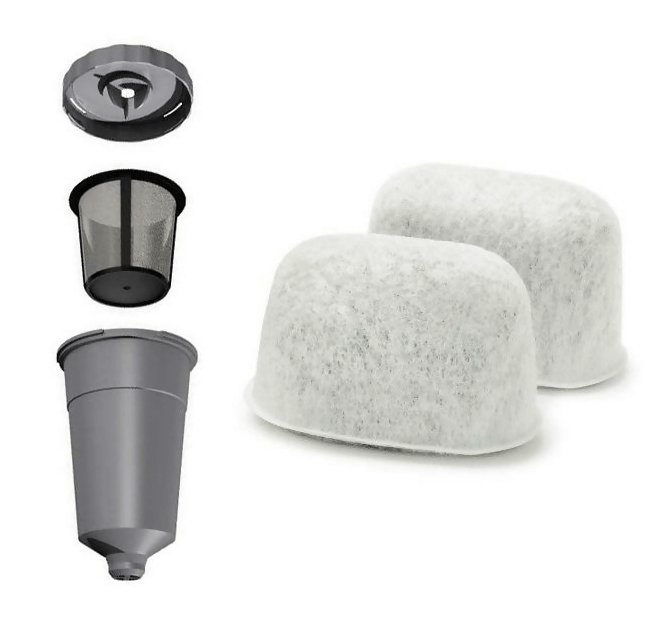
    chlorine and chloramine, it oxidizes the aroma of the coffee. A good carbon
    filtration paper will ensure the removal of these impurities.

    • The
      hardness of the water

    If the water is too hard, it will under
    extract the aromatic coffee oils. The coffee will not be delicious as compared
    to the ideal hardness of the water. If the water is too hard, the coffee will
    taste sour and bitter. In this case, using a scale inhibiting filter will
    rectify the hardness of the water and leave the level of water minerals where
    it should be. Thus, always make sure your coffee water recipe is pure.

    • Dissolved
      solids

    Total dissolved solids (TDS) include
    chlorine, hardness and other impurities. A substantial amount of dissolved
    solids impact on the taste of the coffee. To reduce the TDS, you can use
    Reverse Osmosis technology.

    • Turbidity

    These include dirt, silt, and sand. High
    level of these particles causes abrasion damage. Use a coffee water filter with
    a rate of below 5 microns. It enhances the removal of these impurities, and
    therefore, your coffee maker machine remains with its value.

    Additionally, consider a multi-stage water
    filter that will not only remove chlorine and lead from water but also remove
    other micro impurities. It will help your coffee to maintain its typical taste
    and save your coffee maker.

    • Under
      sink filtration system

    Once you install an under sink
    filtration system, you will not need a water filter for coffee. Your process of
    making coffee becomes easy.

    • Price
      and availability of the filtration system

    Price and availability of items is a
    significant consideration. If you need to install a water filter for a big company or coffee shop,
    then it’s a point you should put into account the budget availability. If you
    go by single-use water filters, you will end up spending more. If possible use
    the water filter system that will purify the whole amount of water you intend
    to use in your coffee making process. 

    Conclusion

    If you invest in the best coffee maker,
    it is essential to use distilled water for coffee. It ensures your machine
    remains not corroded. Above all, consider the above points while choosing the best water filter for coffee.

  • Hybrid working: How to manage remote and workplace employees

    Hybrid working: How to manage remote and workplace employees

    Hybrid working is a term that’s been gaining traction over the past few coming months as a response to the coronavirus pandemic and changes in working practices.

    Working from home has been on the agenda for the past couple of years. But as businesses look to a post-pandemic world, the workplace and what that looks like now and in the future needs to be a consideration.

    You may look to a dual approach – having your staff working from home and being in the workplace.

    This could be either as a split between teams (some of your workforce at home, some in the workplace) or with people spending a few days at home and the rest of their working week in the official place of work.

    So how can you make this new way of working work for your business?

    In this article, we take a look at hybrid working, how it can benefit your business, and what you need to consider to make it work efficiently – both for you as an employer and for your workforce.

    Here’s what it covers:

    What is hybrid working?

    Advantages of hybrid working

    Supporting your hybrid-working staff

    Managing your staff when hybrid working

    Remember that internet security is important for home workers

    Offer support with staff health and wellbeing

    Consider communication and team dynamics

    Final thoughts on hybrid working

    Download your free guide, How to boss managing your people and payroll, and give your team the support that ultimately helps your business succeed

    What is hybrid working?

    Although there’s no official definition of hybrid working, it’s generally accepted that the term refers to people working both in an official workplace (such as an office) and at home or elsewhere.

    Therefore, your employees might spend three days a week in the workplace, for example, and two days at home.

    What is certain, though, is that this form is working has been on the increase over the past decade or so and has now been turbocharged by the pandemic and repeated lockdowns.

    According to a recent report by the think tank Demos, sponsored by Legal & General, “two-thirds of the working population (65%) had their daily location forcibly altered as a result of the pandemic at some stage during 2020”.

    More strikingly, nearly eight out of 10 people (79%) who have been required to work from home want to continue doing so, at least part (57%), if not all (22%) of the time.

    The report goes on to say: “A very clear result from our research is that most people who have been required to work from home only want to continue doing so part of the time.”

    Just about one fifth (22%) want to do so exclusively. The change is already bringing advantages for both employees and organisations.

    Many workers have enjoyed being able to avoid the morning commute.

    Rush-hour passengers on the London Underground, for example, were down by 90% at the start of the first lockdown, with many other commuter services reporting similar figures.

    A study for BBC News and King’s College London, conducted by Ipsos MORI, reveals nearly a one in four commuters (23%) say they will do less travelling to work than they used to, with that number rising to almost a third (31%) in London.

    Advantages of hybrid working

    Picking children up from school, supporting family members, being able to enjoy the garden during the working day and the opportunity for more flexible working times are among the other advantages of allowing teams to work both from home and the main workplace.

    Meanwhile, a growing number of organisations are discovering that, with more staff working at home or elsewhere, they don’t need as much office space as they used to, and so they’re saving on rents and utilities.

    The trend seems to be here to stay and it does offer advantages.

    But how do you make it work for your business?

    As well as handling the potential downsides of this major change in working practices (such as less time spent having face-to-face interactions and a reduction of those watercooler moments that can spark new ideas), how can you ensure your organisation actually benefits from hybrid working?

    Denise Jennings, head of HR at staff management software provider RotaCloud, recommends that business owners and managers to start by laying the groundwork.

    “Before you implement hybrid working you need to look at each job role and assess whether it can be done remotely or if it needs to be workplace-based,” she says.

    “You should also survey employees on their individual preferences and personal circumstances, ensuring that each team member is happy with the location of their role.

    “This should be a collaborative process, not a top-down approach.”

    Jennings recommends piloting working arrangements if necessary.

    She says: “Follow government and health and safety guidelines, and do new risk assessments where needed.

    “Also, make sure that each person’s employment contract is up to date and reflects their location. You can’t change an employee’s work location without their agreement.”

    Download your free guide, How to boss managing your people and payroll, and give your team the support that ultimately helps your business succeed

    Supporting your hybrid-working staff

    Staff at Glass Digital, a digital marketing agency based in Newcastle-upon-Tyne, first started working at home as well as the office following the arrival of the ‘Beast from the East’, the serious cold snap of 2018.

    Since then, the company has noticed a number of benefits with this hybrid-working model.

    “We received lots of positive staff feedback, and while productivity and standards remained high, absenteeism rates went down,” says operations director Craig Hall.

    “It’s clear just how much staff value the extra trust and flexibility afforded by a remote working policy, and that’s benefited productivity and morale as well as helping us hire the best talent.

    “We have learned to be less reserved when it comes to implementing perks like these.”

    He adds: “Our managerial team have also completed mental health training and committed to regular one-to-one catch ups with staff, and many teams get together for virtual lunches and the like.

    “We’ve invested in a weekly staff survey to ensure we can monitor morale and nip any issues in the bud.”

    Few organisations will want to set out the precise number of days that staff should be in the office or at home. This new way of working is all about flexibility.

    Some staff will want primarily to work from home while others might prefer to come into the office three or four days a week.

    However, you should keep an eye out for those who haven’t been seen in person for some time and perhaps encourage them to make an appearance in the workplace for their sake as much as yours.

    Younger staff or those in stressful jobs might need more supervision and would therefore benefit from spending more time in the workplace rather than at home.

    Balancing working from home with being in the workplace is essential and scheduling regular (formal or even informal) meetings for whole teams and departments can help here.

    It’s essential to make sure that hot desking arrangements and meeting room booking systems work effectively too.

    Managing your staff when hybrid working

    You should to check in regularly with staff working at home as well as the office, according to Charlotte Bate, director of HR consultancy, MAD-HR.

    “While many people were prepared to make do and work from their spare rooms, from the ‘office cupboard’ under the stairs for a period of time, continuing this in the longer term may not fit with them or their family and may lead to issues with performance, engagement, mental health and wellbeing,” she says.

    “People’s home situations can change, a risk assessment and audit for home working may have been undertaken at the start of the pandemic in March 2020.

    “However, this may be out of date or no longer fit for purpose on a long-term basis.”

    She stresses the importance of considering your team as individuals.

    Bate says: “Women, given that they are still largely responsible for childcare, young people, who are not only learning the job but also about the workplace, older people who are not as technologically competent and those ‘digital introverts’ are those most at risk of suffering when companies get planning and implementing hybrid working practices wrong.

    “Ensure that you are not directly or indirectly discriminating against any protected groups in your working practices.”

    Allowing people to work from home more often requires a greater degree of trust from managers and a new way of supervising their teams.

    Sally-Ann Hall-Jones, CEO at Reality HR, says: “It’s important that your team members keep their calendars up to date, so managers understand when people are working, when they have virtual meetings and when they are away from their desks.

    “A good manager will have the trust of their team, a clear brief and be equipped with the training and tools they need to effectively deal with people management issues.

    “Don’t place too much value on the number of hours and minutes a day your teams spend remote working.

    “To monitor performance, line managers should focus on achievement rather than working hours.”

    Remember that internet security is important for home workers

    Security is another issue for this new working practice.

    “Ensure that all employees have been issued with a policy which includes advice on confidentiality, including how documents should be stored securely in your IT system,” says Hall-Jones.

    “You may need to discuss with your IT provider whether the system is as secure for remote workers as it is when they are office-based.

    “Home broadband connections are often less secure than business-grade ones, so you may wish to consider the use of a Virtual Private Network [VPN].”

    Don’t forget that the usual data protection and GDPR regulations still apply, so make sure you check that your systems are compliant and that your team understand their responsibilities.

    Download your free guide, How to boss managing your people and payroll, and give your team the support that ultimately helps your business succeed

    Offer support with staff health and wellbeing

    As an employer, you could consider introducing corporate health assessments.

    Brendan Street is the professional head of emotional wellbeing at Nuffield Health. He says: “[Health assessments] can be beneficial for those returning to the office.

    “They provide employees and employers with in-depth information on the current health status of both parties and will provide useful information on how to improve the health of employees, while encouraging employees to take greater responsibility for their own health.”

    Nuffield Health’s online digital platform, PATH, uses several evidence-based mathematical algorithms to determine a person’s risk factors and generates a completely tailored assessment for them.

    Street says: “It’s also important those working from home have access to the right support to maintain their health and productivity.

    “Businesses should identify the parameters for their remote working offering and which employees are suited for long-term remote working.”

    Nuffield Health’s research, for example, suggests younger employees may not thrive as remote workers because of mental health issues.

    Consider communication and team dynamics

    Helen White is the CEO of lighting retailer Houseof. She says: “Creativity is the heartbeat of our business and so much of that has always come from the face-to-face chemistry of our team.

    “But we also fundamentally understand that the world has changed, and we’ve been forced to find new ways to engineer solutions.

    “The first thing we do is to ‘force the conversation’. It’s easy to get isolated as a remote worker and isolation is rarely the ideal stimulus for creativity and innovation.

    “As a result, we make a concerted effort to replicate the open exchanges of an office and integrate conversation into everything we do.”

    The company splits projects that might previously have been undertaken by individuals across teams.

    White adds: “We encourage our team to use their new environments to creatively engineer solutions, and we’ve opened our problem solving to the community around us, collaborating with more organisations and individuals than ever before.”

    Staff at Addition, a London-based financial services firm supporting small and medium-sized enterprises (SMEs), have been working from home and the company has rented an office space in London.

    “No one is obliged to work at the office but we made sure there are enough hot desk options in case anyone from our team needs a change of scenery,” says Liesa Stecher, the company’s chief growth officer.

    “Addition is all about flexible working hours and output driven evaluations rather than hours sat at your desk,” she says.

    “We’ve changed our approach and spend a lot of time on the recruitment process to make sure we hire people that appreciate and thrive in a more independent working environment.”

    Final thoughts on hybrid working

    Hybrid working offers exciting opportunities but it’s still in its infancy.

    As communications technology such as Slack, Microsoft Teams and Zoom continue to evolve rapidly, it’s very likely to become the norm – for professionals and knowledge workers, anyway.

    However, beyond these near certainties, organisations and their employees are still discovering how to make hybrid working work for them.

    Sectors, work types, company sizes, locations, team dynamics and the individual personalities and domestic situations of your employees are all important factors to be taken into consideration.

    Taking your time to develop working practices and policies, remaining in close and constant communication with your teams and ensuring you’re aware of the latest advice on the subject can ensure you make the hybrid working format work for your organisation.

    Editor’s note: This article was first published in May 2021 and has been updated for relevance.

    How to boss managing your people and payroll

    Discover how to help your people overcome some of the challenges they face so they can prosper and your business can thrive.

    Download your free guide

    The post Hybrid working: How to manage remote and workplace employees appeared first on Sage Advice United Kingdom.
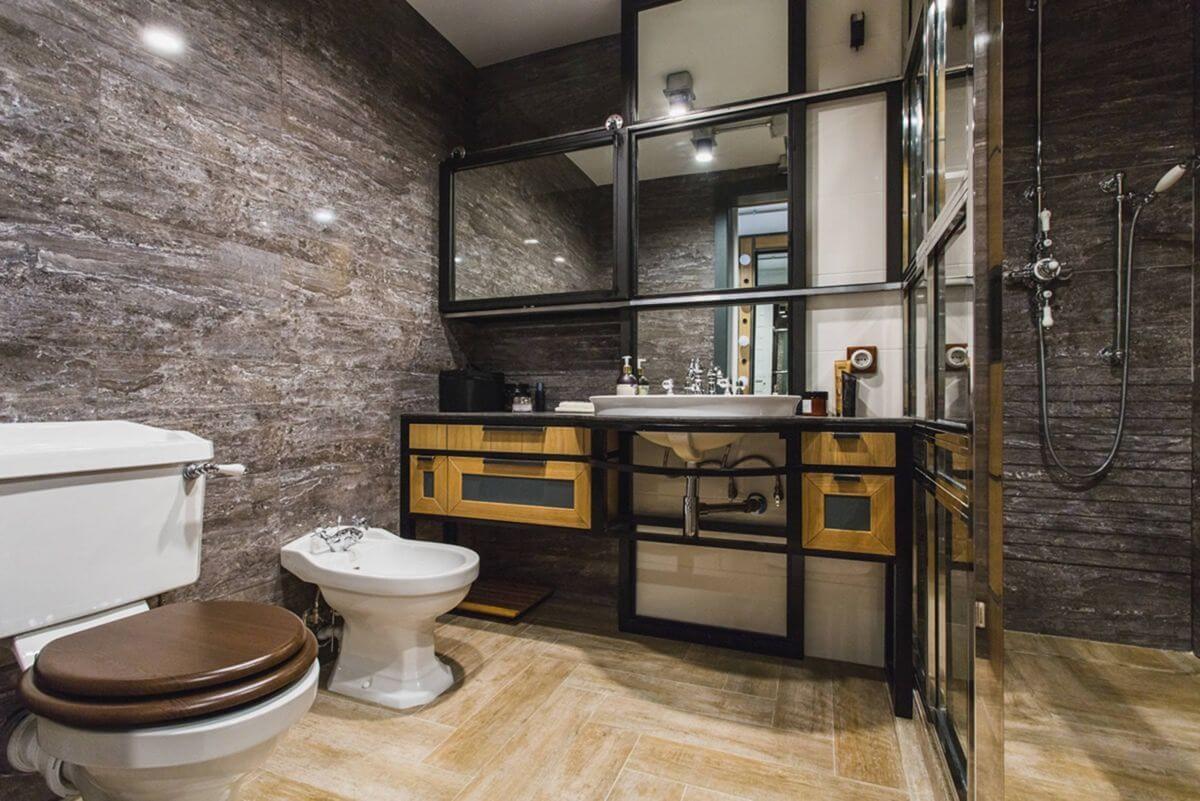
  • Electric vehicles: Grants and tax benefits for small businesses

    Electric vehicles: Grants and tax benefits for small businesses

    Transport is responsible for around a third of total CO2 emissions, so it’s little surprise that electric vehicles feature heavily in most government’s net zero emissions plans.

    Switching from fossil fuel to battery-powered electric vehicles is a tangible way for small and medium-sized enterprises (SMEs) to reduce their carbon footprint.

    In fact, a 2020 study by three universities (Exeter, Nijmegen (Netherlands), and Cambridge) found that in 95% of the world, driving an electric car is better for the climate than a petrol one.

    Therefore, if more small businesses – which employ more than 16 million people in the UK – adopt electric vehicle (EV) technology, it could have a significant positive impact for the environment, as well as contribute to companies becoming carbon neutral overall.

    What’s more, the government has introduced new incentives to help SMEs manage the upfront costs, so they can reap the longer-term carbon and monetary savings.

    Here’s what we cover in this article:

    Subsidies and tax breaks

    Lower running costs

    Learning by example: Moving to electric vehicle use

    Subsidies and tax breaks

    The initial cost of transitioning from fossil fuel to electric vehicles can be off-putting, but there are several grants and subsidies that can help your business manage the initial outlay, as well as several tax breaks that mean the technology is often more cost-effective in the long-term.

    The Workplace Charging Scheme (WCS)

    If your business is eligible, this voucher-based scheme can help with the upfront costs of the purchase and installation of EV charge points.

    It’s limited to 75% for each socket, up to a maximum of £350 and 40 sockets across all sites per applicant. Vouchers can only be redeemed by approved providers.

    To be eligible, your business needs to be able to show that it:

    • Is a registered business or VAT registered.
    • Can declare a need for electric vehicle charging equipment or an intent to encourage uptake among their staff and/or fleet.
    • Has dedicated off-street parking for staff and/or fleets.
    • Owns the property where the charge points will go or have consent for installation.

    The UK Plug in Car Grant

    Grants are also available for the purchase of qualifying electric vehicles through the plug-in car grant.

    Businesses and individuals can get £2,500 off the price of an EV costing no more than £35,000; this was recently cut from £3,000 off the price of an EV costing up to £50,000.

    Grants of up to £3,000 for vans and £6,000 for large vans are also available.

    Benefit in Kind tax breaks

    Employees can make considerable saving when their employer opts to invest in low emissions vehicles.

    Company vehicles that are fully electric pay benefit in kind (BIK) tax rates of only 1% in the current 2021/22 tax yeare; this will rise to 2% in 2022/23.

    This offers huge savings.

    For example, in the 2021/22 tax year, the BIK per year for the e-Golf is £55.20 a year, whereas a Golf GT Petrol 1.5 is £1,392.

    Cars with CO2 emissions of less than 50g/km are also eligible for 100% first year capital allowances.

    This means with electric cars, companies can deduct the full cost from their pre-tax profits.

    They’re also exempt from the London Congestion Charge (until April 2024) and road tax, also known as Vehicle Excise Duty (VED).

    It’s worth noting that despite the fact there’s no road tax to pay for electric vehicles, you still need to go to the DVLA website (or make a phone call) to tax your vehicle.

    Lower running costs

    Electric cars are much cheaper to run than their petrol and diesel counterparts.

    The average electricity costs to power a Nissan LEAF is around 3.9p per mile, compared to an average of 9.2p per mile on a petrol or diesel Ford Fiesta.

    What’s more, if companies invest in solar panels on their buildings, they can essentially charge vehicles, in part, for no extra cost and offer access to this infrastructure as a free perk to EV-owning employees.

    Stockport-based schoolwear supplier One+All is doing just this. The firm offers employees free car charging, powered by installed rooftop solar panels, while they’re at work.

    “We want to try and incentivize people to personally make the switch to electric vehicles, as a when they’re able to,” says Chris Rowlinson, director at One+All.

    Learning by example: Moving to electric vehicle use

    One+All started its decarbonisation journey three years ago and is now certified carbon neutral by the Carbon Neutral global standard.

    The company was using diesel vehicles but switched to full electric and hybrid, where it was not practical for full battery power due to mileage and lack of charging infrastructure, a few years ago.

    Rowlinson says the move hasn’t required the company to increase its budget per car and has, overall, provided major benefits for employees.

    “There’s no reason EVs should be more expensive on a like-for-like basis, but the amount of tax paid on them is negligible, you can save literally hundreds of pounds a month,” he explains.

    Similarly, York Gin, a small gin distillery based in York, has recently invested in a fleet of three – soon to be four – electric, emission-free vehicles powered by renewable energy supplied by Good Energy.

    Emma Godivala, director at the company, says when they started the switch in 2018 infrastructure was less ubiquitous. But this, and the technology, has improved over the years and the costs have come down.

    “However, it’s not just a straight up cost of the vehicle equation, but the cost to the planet; you’ve got to think of the full spectrum,” says Godivala.

    Her advice to companies considering adopting electric vehicles is to: “Lobby local MPs to make sure the infrastructure is there, order early because there is a time delay for delivery of the technology, and remember it really works for your customers, people feel better about emissions free products and are willing to pay a bit more for them.”

    Sustainability Hub

    Explore how your small business can create a robust sustainability strategy, save money, and attract more customers by visiting the Sustainability Hub.

    Find out more

    The post Electric vehicles: Grants and tax benefits for small businesses appeared first on Sage Advice United Kingdom.
  • Ethical e-commerce: How I started a sustainable online business

    Ethical e-commerce: How I started a sustainable online business

    Stephanie-May Elswood is the founder of Sasstainable, a lifestyle brand dedicated to cutting down on single-use plastics in favour of reusable products.

    From bamboo toothbrushes and cutlery to reusable food pouches, collapsible cups, and silicone baking bundles, Sasstainable offers stylish ways to protect the planet every day.

    Here’s what Steph has to say about the ins and outs of running an ethical online business.

    Download your free side hustle toolkit, comprising a side hustle guide, business plan template and cash flow forecast template

    First things first, what inspired you to start Sasstainable?

    In a world where everyday products have short lives but long-lasting impacts, I wanted to create a brand to do the very opposite.

    I had been researching into ways that I could be more sustainable in my personal life and wanted to solve some of my own unsustainable slip ups—single-use cutlery when grabbing lunch was my biggest downfall.

    I wanted to develop a range of eye-catching, ethically made, and environmentally friendly products to help educate my audience and make it easier for people to respect the planet.

    Did you get any outside investment to get started?

    I started Sasstainable with my own savings, so there was no outside funding! I’ve re-invested all profits since.

    What was the learning curve like?

    Dramatic.

    I made a lot of mistakes early on, and I had very little business experience in the e-commerce sector. My main background was in social media, content creation and marketing.

    I was juggling every role in the company by myself, jumping between customer service, fulfilment, product development, and socials. It was stressful!

    Having an e-commerce business is far more than just selling product and I don’t think I realised that. I often threw money at problems to try and fix quickly, them rather than take the time to find more suitable, cost-effective solutions.

    One thing I learnt early on was to pay attention to seasonality.

    For example, the company launched in November 2019, and I massively underestimated the kind of demand we’d have for Christmas. I under-ordered stock and didn’t fully consider the delays of postage during the festive season.

    Delicious cookies, anyone? Alongside reusable products, Steph has lots of great recipes on the Sasstainable website

    How many hours did you work on average, and what kind of support did you have?

    It’s difficult to say exactly how many hours I committed initially. I was running this company in alongside my full-time social media business and charitable foundation, but I’m sure it was a lot!

    I’m very lucky to have a supportive family, and that was a huge help especially in the early days.

    My mum helped massively with the pick and packing, post office runs, and customer service.

    I hired two assistants quite early on to help with the marketing and social media side of things, and that was one of my best decisions at that stage.

    Download your free side hustle toolkit, comprising a side hustle guide, business plan template and cash flow forecast template

    How did you build your customer base?

    I was fortunate enough to have a small online presence on my personal Instagram, and that definitely helped get things moving.

    If that’s something you could start nurturing now, then go for it.

    I also did a lot of research into sustainability influencers and gifted products to them in exchange for an honest review. From the stories they shared on social media, we received more traction to our site.

    What is the biggest challenge for a small business in going green, and how can overcome it?

    Sustainability means not cutting corners.

    There are so many ‘easier’ solutions that may not be sustainable. But as you’re growing and your company is in its infancy, you can start to implement those switches early on, so that your sustainability commitments increase as the business grows.

    There will always be unsustainable companies that will undercut you and make it hard for you to compete.

    But stick to your guns and know that you have a greater vision for the planet and entice your customers to come along for the journey.

    What can small business owners do to take steps towards going green if they’re not already?

    There are so many ways to be a more sustainable business. Look at every aspect from source to consumer, and don’t be afraid to ask questions.

    Where are the products being made? Who is making them? What materials are being used?

    Is your packaging eco-friendly? Can you find a fulfilment company that delivers products using electric vehicles?

    You can also add a carbon offset feature to checkout, which will offset your shipping.

    At Sasstainable, we’ve also collaborated with a brand called ‘Tree-app’ which allows customers to plant a tree with every purchase.

    It’s also worth looking into eco-packing that is recycled or recyclable. It’s all about making small changes with a big impact, and helping your customers do the same.

    What kind of setbacks did you face, and how did you navigate them?

    I think the toughest challenge was finding product developers and manufacturers I could trust.

    I never wanted to release a product that was anything less than perfect, but also wanted to ensure that it was affordable for customers.

    From that, I have learnt never to accept the first unit cost given and to speak up even if I felt like I was being too demanding.

    What was the most important thing you learnt as a business owner?

    That it is not easy! But seriously, I’d say there are four main things I’ve learnt that are incredibly important to budding business owners:

    • Control your cash flow. Having sufficient cash to fund my growth takes up most of my time.
    • It’s all about the customer. The customer is always right, and the tone you used to respond to them sets the tone for the relationship you establish.
    • Running a business can get lonely. It is important to constantly remind yourself of your vision and motivation behind the project. Cheer for your own successes, and don’t forget to celebrate the small wins.
    • Build a team you can trust. It’s important to know how and when to scale your business, hire the right people, and crucially, learn to delegate key tasks so you can focus on growing your business and developing your products.

    Sustainability Hub

    Explore how your small business can create a robust sustainability strategy, save money, and attract more customers by visiting the Sustainability Hub.

    Find out more

    The post Ethical e-commerce: How I started a sustainable online business appeared first on Sage Advice United Kingdom.