分类: Industry

  • What Steps Are You Taking To Find An Expert Chinese Manufacturer Of API Composites?

    What Steps Are You Taking To Find An Expert Chinese Manufacturer Of API Composites?

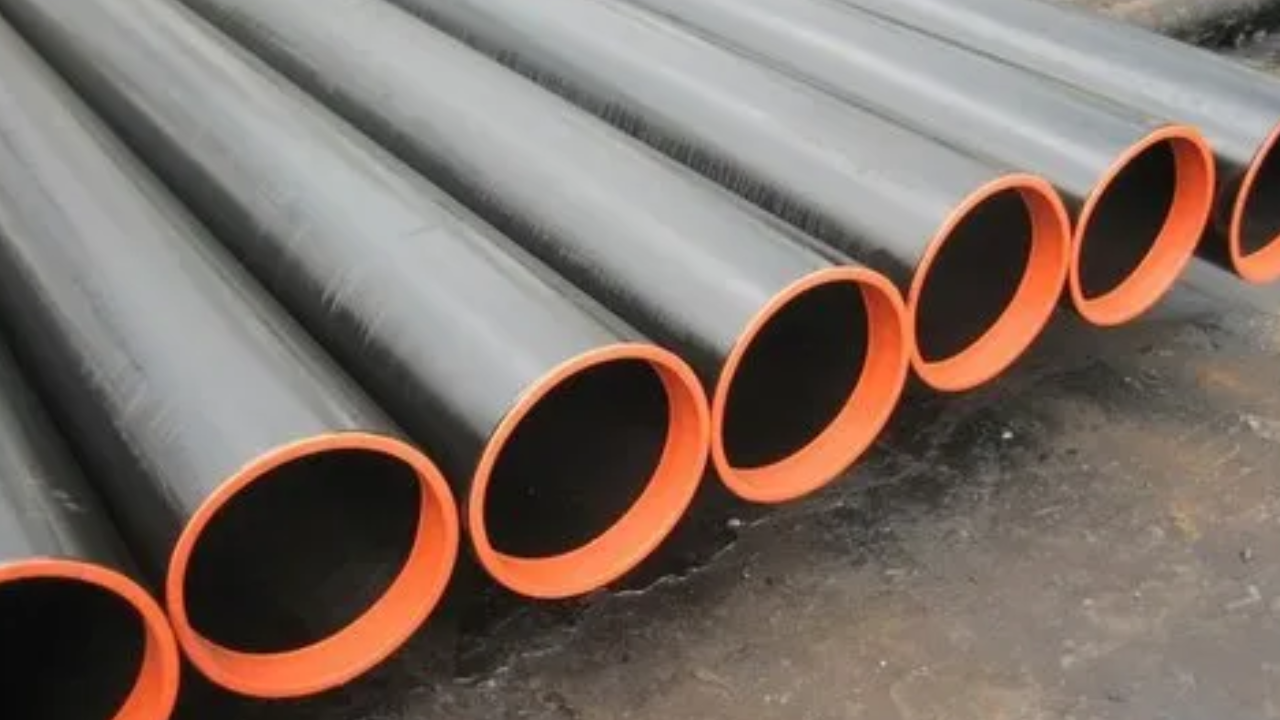
    It’s essential to verify the authenticity, reliability, and pleasantness of merchandise sold from this place via the verification cycle for normal API composite producers in China. China boasts eminent businesses that offer API-ensured materials, a fundamental intermediate thing for a meeting within the oil and petroleum region. But, inside the middle of this extensive panorama, the prevalence of fraudulent certificates offers a large benefit to clients trying to find verified, elite products.

    With the useful resource of carefully examining confirmation files, engaging in on-website online inspections, and unbiased sorting out, customers may be able to affirm the reliability and validity of api composite producers in China. This tactful approach guarantees compliance with enterprise requirements and activities, allowing partners to differentiate between real testimonials and fictitious files.

    The confirmation device also reduces the dangers linked with subpar merchandise, builds consumer attractiveness as authentic, and guarantees the integrity of oil and gas duties and sports activities with the aid of promoting transparency, duty, and dependability. To permit clean acquisition plans, offer exceptional confirmation, and sell prolonged-term modern-day development, the API certification method is essential.

    A Way To Appear As an Identified Chinese Language API Composite Manufacturer

    Making sure the authenticity of the certificates is critical while acquiring merchandise from China, particularly within the oil and fuel sectors. The superiority of false statements poses a vast chance to clients and might jeopardize the protection and effectiveness of medicine. This newsletter explores the meticulous process of analyzing API composite manufacturers in China, emphasizing the fee of vigilance and a predicted degree of trying to mitigate dangers related to fraudulent confirmations.

    Validation of Certification

    Circulate-reference the specifications blanketed with the authority API composite rundown to validate a producer’s certificate reputation. This technique ensures that the producer can be identified as an authorized API issuer. Imparting evidence of the accreditation’s authenticity, endorsing the accountable electricity, and circulating-referencing the certificate’s range for accuracy are all a part of confirmation. The producer’s certificate’s validity and reliability are ensured by using this type of reasonable effort, which is essential for consistency and fantastic confirmation.

    Near Examining Facts

    The endorsement’s format, language content, material fashion, and seal validity are all examined intently for any abnormalities, at the same time as the files are being checked. Moreover, the two most vital duties are confirming the veracity of the responsible strength and double-checking the affirmation variety. Very well-reviewed statistics guarantee compliance with business enterprise requirements, reduce the possibility of a forged certificate, and affirm the legitimacy of the producer’s certifications.

    Independent Trying Out And Certification

    Incorporating independent checking-out laboratories or certification company’s permits an independent examination of the producer’s merchandise. Those opinions offer a belief in excessive best, overall performance, and compliance, which boosts the consumer’s agreement. Clients can make sure that merchandise matches business enterprise requirements with the help of project independents trying to verify their authenticity and excellence. This layer of guarantee reduces the opportunity for fraudulent certification on equal terms and reinforces the procurement method’s integrity.

    Inspection Of web-web site

    Visiting the manufacturing centers is a part of the on-site inspection machine, which evaluates API compliance, pinnacle-notch control strategies, and production techniques. This self-evaluation ensures adherence to enterprise necessities and gives information on a manufacturer’s infrastructure and abilities. By examining operations and centers to verify a producer’s self-control to produce extraordinary and find out any capability irregularities or non-compliance problems, customers can lessen the opportunity of counterfeit certificates.

    Opinions & Recognition of Providers

    Assessing a provider’s reputation includes searching into its performance within the marketplace and getting clients to enter. This includes searching for opinions on websites and industry forums and inquiring for guidelines. Evaluating popularity allows for discoveries beyond compliance troubles, consumer pleasure, and trustworthiness. Via using peer evaluations and insights, customers can also make knowledgeable selections about a producer’s popularity and dependability, ensuring that they are operating with professional companies that are devoted to compliance and charm.

    Last Words

    An extensive examination of Chinese language producers of certified API composites is critical. Clients can mitigate the chance of fake certification and protect the integrity of their initiatives with the aid of the following strategies: closely examining documentation, assigning on-net page inspections, studying provider reputation, and engaging in goal attempts. Similarly, to promote openness and make sure the acquisition of actual, superior substances satisfies the exacting requirements of the oil and gas enterpriser.
  • How Is ASTM A500 Tubing Produced?

    How Is ASTM A500 Tubing Produced?

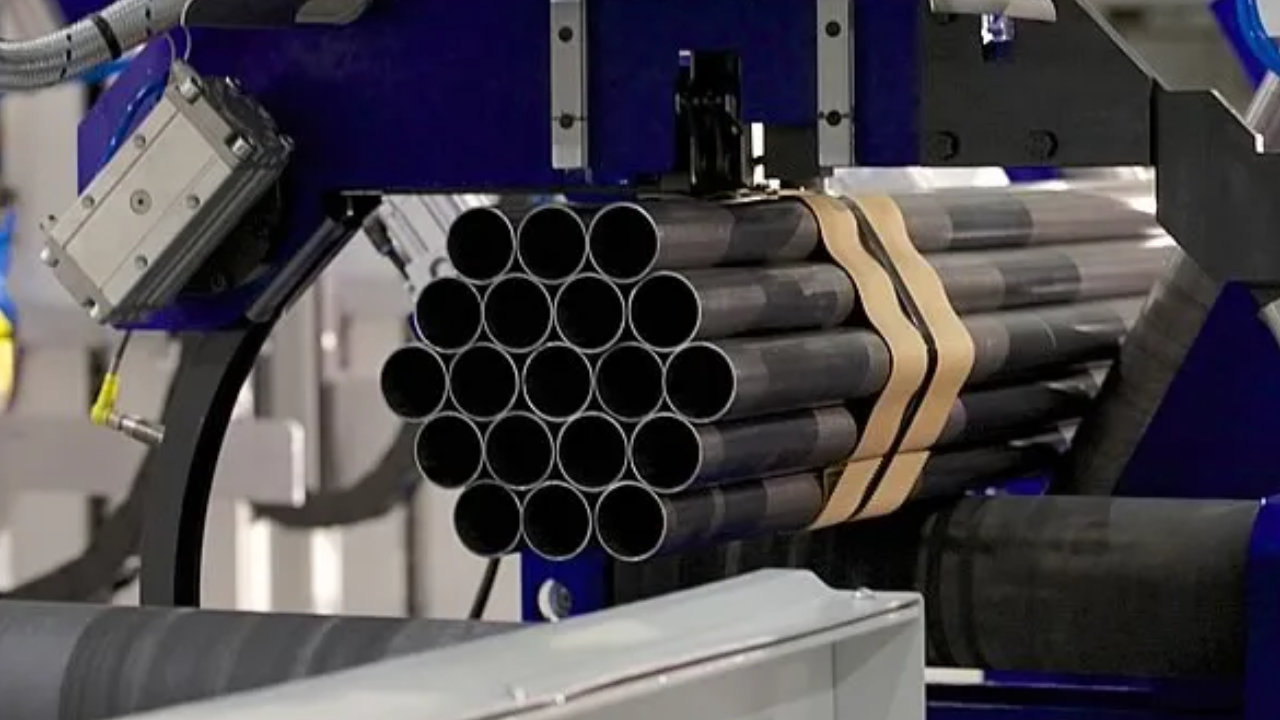
    ASTM A500 tube is cold-formed, welded, and seamless carbon steel structural tubing that meets the American Society for Testing and Materials (ASTM) specifications. This specification covers a wide range of shapes, including round, square, rectangular, and unusual shapes, intended for use in building and structural applications. The significance of ASTM A500 tubing resides in its role as a standardized and strictly controlled material in the building sector.

    ASTM A500 maintains structural elements’ homogeneity, dependability, and performance by specifying specified mechanical and dimensional requirements. Here click to visit the manufacturer’s website, Uniacero. This tubing is strong, versatile, and weldable, making it ideal for a wide range of applications such as building construction, bridges, and infrastructure projects.

    Production Process Of ASTM A500 Tubing

    This article goes into the complete production process, from raw material selection to final manufacturing operations, highlighting crucial stages that contribute to ASTM A500 tubing’s quality and integrity.

    Raw Material Selection

    The selection of raw materials marks the start of the ASTM A500 tubing manufacturing process. Carbon steel is the most common material used due to its strength, flexibility, and weldability. The chemical composition of the steel, including carbon content and alloying components, is crucial for meeting the mechanical and dimensional standards specified in ASTM A500. The quality of the raw material directly affects the tubing’s longevity and performance.

    Steel Forming

    The chosen carbon steel is subjected to a shaping process to mold it into its intended initial shape. The two most common procedures for forming steel for ASTM A500 tubing are hot rolling and cold forming. Hot rolling is the process of heating steel to high temperatures and passing it through rollers to form the desired shape. Cold forming, on the other hand, is done at room temperature and is a less expensive way to manufacture tubes with accurate dimensions.

    Cold Forming For ASTM A500

    Cold forming is the preferred procedure for ASTM A500 tubing because it allows for precise tolerances and constant mechanical qualities. The cold-formed tube is produced by shaping steel at room temperature using a series of dies. This technique gives the tube certain dimensions and shapes, guaranteeing that it meets the ASTM A500 standard.

    Welding

    In the case of ASTM A500 welded tubing, the formed steel is joined through welding to create the final tubing structure. High-frequency electric resistance welding (ERW) is a common method employed in this stage. ERW involves passing an electric current through the edges of the steel strips, generating heat that fuses them. The welded seam is then carefully inspected to meet the standard’s requirements for weld quality.

    Seamless Tubing Production

    When making ASTM A500 seamless tubing, the produced steel is treated using a separate method. Seamless tubing is formed by piercing a solid billet of steel and then elongating and lowering its diameter via some techniques, including rotary piercing and elongation. This produces a continuous tube with constant qualities along its length.

    Heat Treatment

    Heat treatment is an important stage in the manufacturing of ASTM A500 tubing. Following forming and welding, if applicable, the tubing is heat treated to improve certain mechanical qualities. This controlled heating and cooling technique can increase hardness and tensile strength. Heat treatment is applied following ASTM A500 specifications and the desired performance characteristics of the tubing.

    Surface Treatment

    Surface treatment is an important stage in the manufacture of ASTM A500 tubes. Galvanization, which coats the tube with zinc, is a typical process. This procedure increases corrosion resistance, making the tube acceptable for use in outdoor and severe situations. Surface treatment is given after forming and welding, increasing the tubing’s lifespan and performance in a variety of applications.

    Mechanical Testing

    Mechanical testing is a crucial aspect of ASTM A500 tubing manufacturing to guarantee that the tubing meets the mechanical requirements. Common metrics measured include yield strength, tensile strength, and elongation. These tests follow ASTM standards to ensure that the tube can withstand loads and deformation in a range of conditions.

    Final Inspection And Certification

    A final inspection is performed on ASTM A500 tubing before it leaves the manufacturing site to ensure that it satisfies all specifications. This includes a visual assessment to look for flaws or faults. Once the tubing has passed all inspections and tests, it is certified to meet the ASTM A500 standard, ensuring its quality and functionality.

    Summary

    The production process of ASTM A500 tubing is a meticulous and controlled journey that transforms raw materials into structural components with precise dimensions and mechanical properties. Each stage plays a crucial role in ensuring the tubing’s reliability, durability, and adherence to industry standards. The combination of the following steps collectively contributes to the production of ASTM A500 tubing, which serves as a cornerstone in various construction, infrastructure, and engineering applications.

  • What Are Different Types Of Machining Tolerance?

    What Are Different Types Of Machining Tolerance?

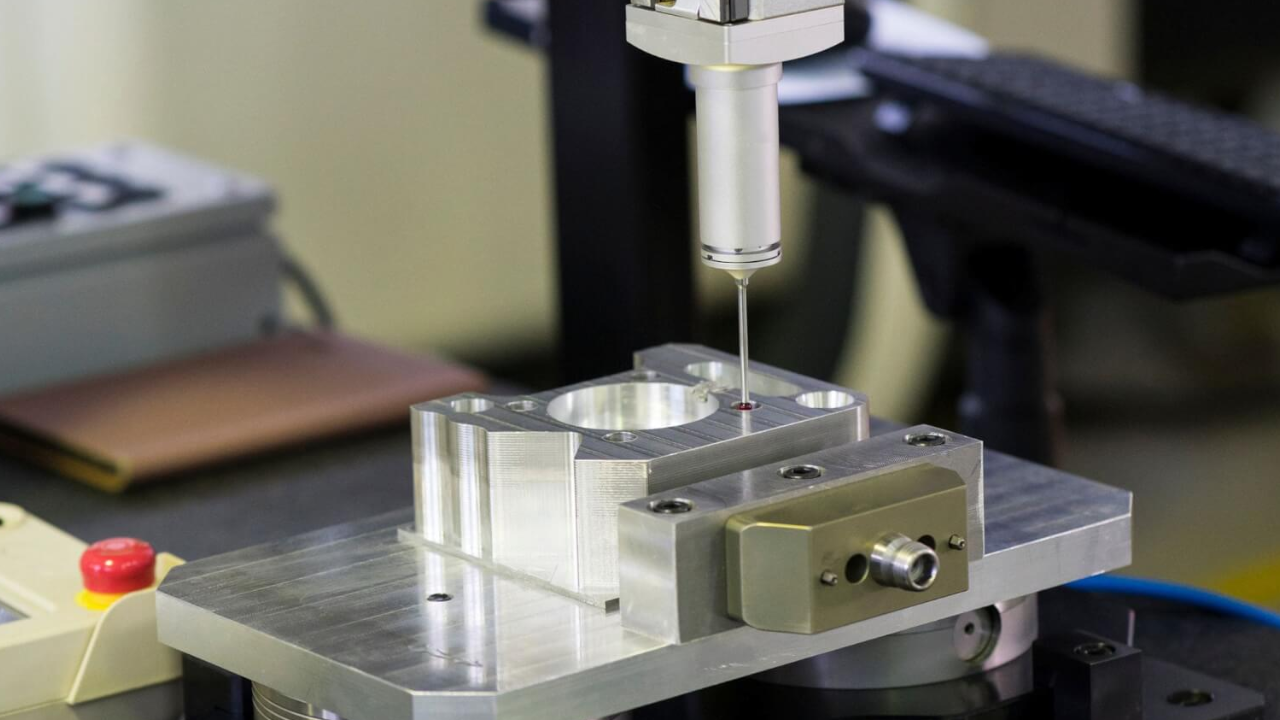
    CNC Machining tolerances are fundamental to the manufacturing process and guarantee that products fulfill functional and design criteria. Tolerances must be calculated and expressed carefully, considering manufacturing capabilities, material qualities, and design criteria.

    In the end, accurate, dependable, and high-quality machined components are produced when tolerances are managed correctly. The quest for CNC machining precision necessitates a thorough comprehension of the various types of tolerance, each suited to certain characteristics like form, size, orientation, and placement.

    As a standardized approach, Geometric Dimensioning and Tolerancing (GD&T) provides an advanced framework for expressing tolerances using annotations and symbols. The use of cnc machining tolerances becomes more crucial as manufacturing technologies develop, allowing businesses to create complex, high-performance parts that meet strict design requirements.

    Types of Machining Tolerance

    To ensure that components fulfill design criteria and functional needs, machining tolerances are crucial characteristics in the manufacturing business. As a key component of attaining accuracy and consistency, tolerances specify the permissible deviations in dimensions throughout the machining process. The many kinds of machining tolerances will be examined in this article, along with their importance and use in many production contexts.

    Dimension Tolerance

    The most fundamental type of tolerance is called CNC dimensional tolerance, which describes the permitted range in a machined feature’s size. It expresses the allowable deviation from the nominal dimension as a range or a numerical value. A hole with a nominal diameter of 10 mm and a ±0.1 mm dimensional tolerance, for instance, permits a fluctuation of 9.9 mm to 10.1 mm.

    Geometric Tolerance

    A fundamental component of precision production, geometric tolerance looks beyond simple measurements to include the shape, placement, and orientation of machined parts. It uses symbols like straightness, flatness, circularity, and cylindricity, governed by Geometric Dimensioning and Tolerancing (GD&T), to make sure components follow predetermined geometric profiles.

    Positional Tolerance

    CNC Positional tolerance is important when features’ precise locations are necessary for operation or assembly. It outlines the permitted departure from the nominal position while taking the angle and distance into account. Positional tolerance is frequently utilized with datum references, which are particular lines, planes, or points on a component that serve as measurement references.

    Profile Tolerance

    The overall form of a feature is the focus of CNC profile tolerance, which makes sure the feature follows the given geometric profile. It is also helpful for managing the form of intricate features or surfaces that are difficult to accurately describe using simple measurements. Straight lines, arcs, or a combination of characteristics can all be subject to profile tolerances.

    Angular Tolerance

    The term “angular tolerance” refers to the regulation of the permitted departure from a given angle. When exact angular relationships between features are important, tolerance of this kind is essential. To guarantee that mating components align correctly, angular tolerance can be defined for both internal and external angles.

    Concentricity and Symmetry Tolerance

    CNC Tolerances for concentricity and symmetry are crucial for cylindrical components like shafts and bearings. While symmetry ensures that a feature’s geometric center and its axis of rotation coincide, concentration ensures that many circular elements share a common axis. For applications where balanced rotation and alignment are essential, these tolerances are crucial.

    Surface Finish

    The acceptable fluctuation in a machined surface’s roughness or texture is referred to as surface finish tolerance. Surface finishes vary depending on the manufacturing method used, such as milling, turning, or grinding. The tolerance that has been specified guarantees that the surface will be smooth or rough enough for functional or aesthetic purposes.

    Final Words

    Achieving accuracy and consistency in the CNC production process requires knowledge of the many kinds of machining tolerances. Geometric tolerances, such as circularity, cylindricity, straightness, and flatness, give a more complex way to express tolerances than dimensional standards, which only offer a basic framework for managing size fluctuations. To control the positioning and general shape of features, positional and profile tolerances are essential.

  • Are There Various Kinds Of 1×4 Fiber Optic Splitters?

    Are There Various Kinds Of 1×4 Fiber Optic Splitters?

    Within the field of contemporary communication, 1×4 fiber optic splitters are essential for effective signal distribution. This passive device, whose numerical designation indicates one input and four outputs, is essential to cable television networks, data centers, and telecommunications.

    Incoming optical signals are smoothly divided by the 1×4 splitter using cutting-edge technologies like planar lightwave circuits (PLC) and fused biconical tapers (FBT), guaranteeing minimal insertion loss and preserving signal integrity. A passive device called a fiber optic splitter 1×4 divides a single optical input into four distinct outputs.

    How Are 1×4 Fiber Optic Splitters Operated?

    A 1×4 fiber optic splitter splits an incoming optical signal into four different output pathways by using technologies such as planar lightwave circuits (PLC) or fused biconical tapers (FBT). A beam splitter and several waveguides, which route split signals to their individual output ports, are the splitter’s essential parts. This procedure, whether via FBT or PLC, guarantees effective signal distribution with low insertion loss, preserving the integrity of data transmitted in a variety of applications, including data centers and telecommunications.

    Various Kinds Of 1×4 Fiber Optic Splitters

    Of course, let’s examine the features and uses of the various kinds of 1×4 fiber optic splitters in more detail.

    Splitter Configurations: Tree vs. Star

    The 1×4 fiber optic splitter divides the input signal into multiple branches in a tree configuration by sequentially splitting it. By distributing the power equally among all output ports, this branching structure makes sure that the optical signal flows through each port that comes after it. The tree configuration is appropriate for a number of applications, such as data distribution systems and passive optical networks (PONs), and is frequently used in situations where equitable power distribution is critical.

    The fanout splitter, also referred to as the star configuration, employs an alternative methodology. It splits the input signal simultaneously into each of the four output ports as opposed to sequentially. In scenarios where signal integrity and equal power distribution are crucial, this simultaneous distribution minimizes signal loss. When minimal signal degradation is required, as in high-speed data transmission and critical communication networks, star configurations are frequently preferred.

    Manufacturing Techniques: Mechanical vs. Fused Biconical Taper (FBT)

    A physical mechanism is used by mechanical splitters to split the optical signal. This can involve techniques like beam splitters or micro-optic components. Although mechanical splitters are renowned for their strength and longevity, they might have somewhat greater insertion losses than FBT splitters. Ruggedness is a key consideration in harsh environmental conditions, which is why these splitters are frequently preferred.

    In contrast, FBT splitters create the splitting effect by fusing and tapering together two or more optical fibers using a heat source. These splitters have low insertion losses, are small, and are reasonably priced. Since FBT splitters are dependable and efficient, they are frequently used in passive optical networks (PONs). They work well in a variety of settings, including data centers and telecommunications.

    Fiber Type: Single-mode vs. Multimode

    Single-mode splitters are designed for use with single-mode optical fibers, which allow for the transmission of a single mode of light. High bandwidth applications and long-distance communication are the perfect uses for these splitters. Single-mode splitters find applications in telecommunications networks where the emphasis is on transmitting signals over considerable distances with minimal signal loss.

    On the other hand, multimode splitters are designed for networks that make use of multimode fibers, which can send several light modes at once. In shorter-range applications, like those found on campuses or in buildings, multimode splitters are frequently used. When high bandwidth is required over comparatively shorter distances, they are appropriate.

    Bottom Lines

    In order to satisfy the various demands of contemporary communication systems, 1×4 fiber optic splitters come in a variety of configurations, production methods, and applications. Understanding the unique qualities of each type is essential for developing dependable and effective optical networks that are customized to meet particular needs, whether in data centers, sensor networks, or telecommunications.

  • Exploring the Types of Case Packer Machine: A Complete Guide

    Exploring the Types of Case Packer Machine: A Complete Guide

    Hello everyone, let’s embark on an exciting journey into the world of industrial packaging. More specifically, we’ll be unraveling the enigma of the case packer machine. With its ever-present role in modern manufacturing, it’s a machine that never fails to spark curiosity. And when you’re sourcing these machines, for example, from a reputable company like Packerasia, it’s essential to understand the different types and their unique offerings.

    Introduction

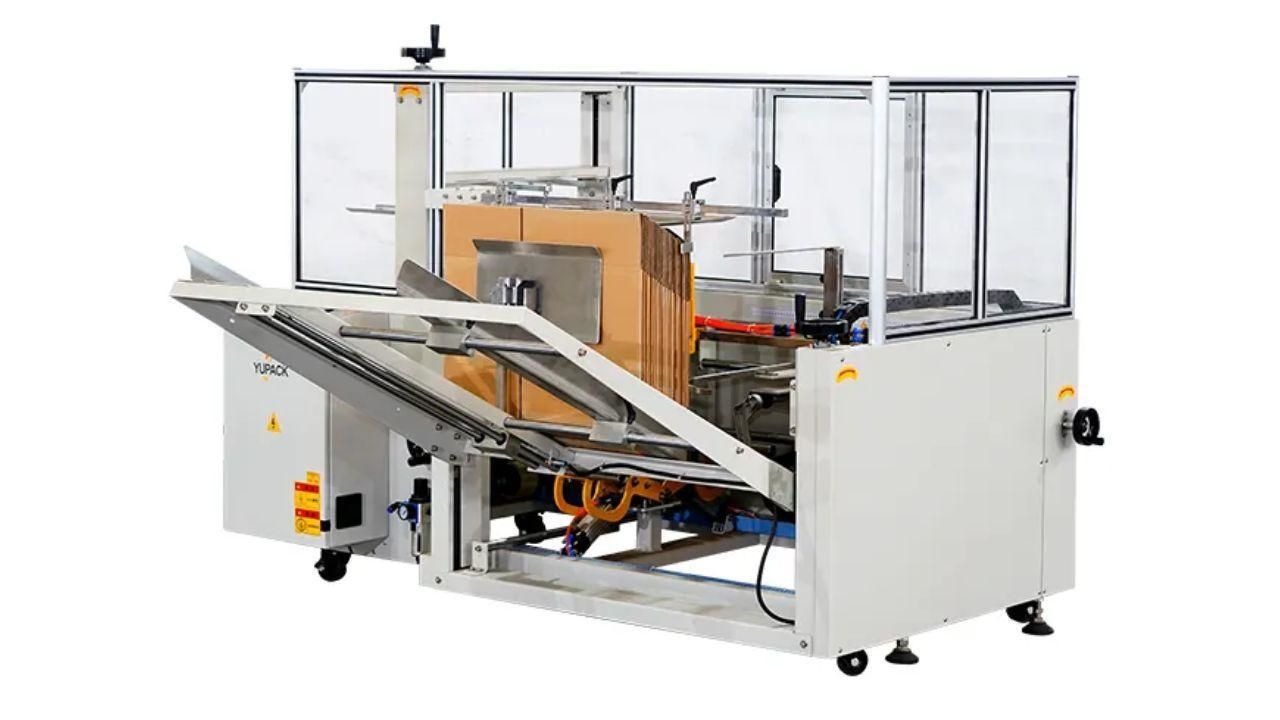
    We are surrounded by an endless array of products, each ensconced in its specific packaging. It’s a sight so common that we hardly ever pause to consider the masterful machinery behind it. So, let’s take a moment to appreciate the impressive case packer machine – an integral cog in the wheel of packaging lines worldwide. A case packer machine is designed to place a variety of products into their respective cases, an operation that can either be automated or semi-automated, depending on specific needs.
    In this guide, we’re going to explore the different types of case packer machines available. You’ll discover that just as we enjoy a diversity of products in our lives, there’s an equally varied assortment of ways to pack them. Ready? Let’s dive in!

    Wraparound Case Packers

    Our first stop is the Wraparound Case Packer. This device’s name gives away its modus operandi. It takes a flat sheet of cardboard, wraps it around a group of products, and seals it into a neat case. It’s like watching a magician at work as the cardboard sheet is skillfully transformed into a protective encasement around the product.
    But the magic isn’t only in the transformation. The wraparound process also provides a snug, secure packaging, ensuring the products inside are well-protected during transit. This makes wraparound case packers the go-to choice for fragile items, such as glass bottles. Moreover, the style of wrapping leads to substantial material savings, eliminating the need for extra cartons or trays.

    Pick and Place Case Packers

    Next on our journey is the Pick and Place Case Packer. This machine exhibits an almost human-like capability of selecting and arranging products. As the name implies, the machine picks up the product and places it carefully into a case. This process offers an extra level of precision and gentleness, essential for delicate or high-value items.
    Not only does the pick and place case packer ensure your products are safely ensconced, but it also efficiently packs products, minimizing wasted space and enhancing packaging integrity. This careful placement of products can also lead to improved appearance and unboxing experiences for end-users.

    Drop Type Case Packers

    Continuing our exploration, we come across the Drop Type Case Packer. This case packer type works by simply dropping products into their respective cases from a designated height. Now, you might be thinking that doesn’t sound too gentle. However, fear not! The drop type case packer is designed for durable and resilient products, like canned goods, that can withstand the impact without any damage.
    The drop type case packer boasts high-speed operation, making it an excellent choice for businesses with high production volumes. It may lack the delicate touch of the pick and place case packer, but it makes up for it with its efficiency and speed.

    Robotic Case Packers

    Last but not least, we have the Robotic Case Packers. As the pinnacle of modern technology in the packaging industry, these machines harness the power of robotics to offer unparalleled flexibility, precision, and speed. With their robotic arms, they can handle a diverse range of product sizes, shapes,
    and arrangements.
    The significant advantage of robotic case packers is their ability to adapt to changes quickly. Whether it’s a different product shape or a new arrangement pattern, robotic case packers can swiftly adjust, making them an excellent choice for businesses with varied product lines. Plus, their precision significantly reduces the likelihood of product damage during the packing process.

    Conclusion

    Recognizing the diverse types of case packer machines is just the start. What truly matters is understanding their unique capabilities and identifying which type aligns best with your specific packaging needs. It’s a balance between product characteristics, production volumes, and the required delicacy of handling.
    Ultimately, case packer machines are an indispensable component of any modern manufacturing line. They offer efficiency, speed, and accuracy, greatly reducing manual labor and minimizing errors. So the next time you see a neatly packed case of products, remember the marvel of technology behind it.And if you’re in the market for one, remember to check out the variety at Packerasia.com.
    That’s it for our exploration into the world of case packer machines. I hope this guide was informative and helpful. Until next time, happy packing!
  • Benefits of Tricone Bits

    Benefits of Tricone Bits

    When you want to delve into the world of drilling, tricone bits have emerged as essential tools for various industries, including oil and gas exploration, mining, and water well drilling. These specialized drill bits revolutionized the drilling process by offering higher efficiency and versatility. By visiting https://www.greatdrillingbit.com/tricone-bit.html you will find different drill bits that can suit your project or needs.

    Advantages of Tricone Bits

    Tricone bits offer numerous advantages that have made them the preferred choice for drilling professionals in various industries. These advantages stem from their unique design and cutting action, making them highly efficient and versatile tools for different drilling applications. Below are some of the key advantages of using tricone bits.

    Versatility

    One of the most significant advantages of these drill bits is their versatility. These bits are designed to handle a wide range of formations, from soft and sticky clay to hard and abrasive rock. This adaptability makes them suitable for drilling in diverse geological conditions, which is essential in industries like oil and gas exploration, mining, water well drilling, and geothermal drilling. Operators can use the same bits for multiple formations, reducing the need to switch between different bits during a drilling project.

    Efficient Drilling

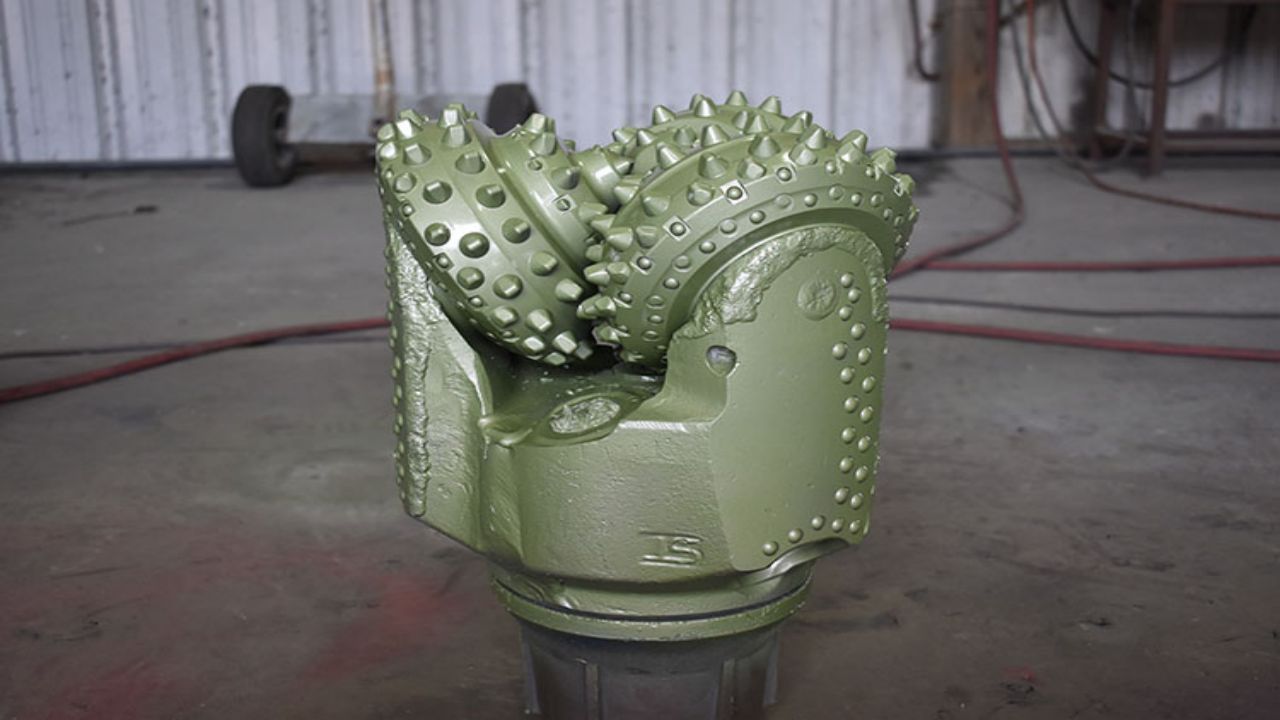
    These drill bits are known for their efficient drilling capabilities. The three rotating cones with inserted teeth provide a dynamic cutting action that crushes, gouges, and scrapes the rock formation, enabling faster penetration rates compared to other drill bit types. This efficiency results in reduced drilling time and overall cost savings in drilling operations. The ability to drill more efficiently is particularly valuable in large-scale projects where time and costs are critical factors.

    Self-Cleaning

    The rotation of the tricone bit’s cones not only aids in the cutting action but also contributes to the self-cleaning of the bit. As the cones rotate, the drilling fluid is forced through the bit and back up the annulus, carrying the cuttings and debris away from the cutting structure. This self-cleaning mechanism helps prevent bit clogging and enhances drilling efficiency by maintaining a clear path for the bit to advance through the formation.

    Enhanced Durability

    These tools are designed to withstand the harsh conditions encountered during drilling operations. The cones are typically made from high-strength materials, and the teeth or inserts are often constructed from hard-wearing materials like tungsten carbide. This robust construction ensures that these drill bits can endure the wear and tear of continuous drilling without compromising their performance. The durability of these tools translates to longer run times, reducing the frequency of bit replacements and increasing overall cost-effectiveness.

    Compatibility with Various Drilling Techniques

    These drill bits can be used with both rotary drilling and down-the-hole drilling techniques, offering drilling professionals flexibility in choosing the most suitable method for their specific project requirements. Whether drilling with a rotary rig or a DTH hammer, tricone bits remain an effective option for achieving desired drilling outcomes in different applications.

    Conclusion

    In summary, these drill bits have become indispensable tools in the drilling sector due to their remarkable benefits. On the same note, it is crucial to understand that their versatility enables them to handle a wide range of formations resulting in faster drilling progress.

  • Understanding the Difference Between Direct and Indirect Evaporative Coolers

    Understanding the Difference Between Direct and Indirect Evaporative Coolers

    Nowadays, industrial evaporative coolers are becoming increasingly popular as energy-efficient and environmentally friendly cooling solutions. Two primary types are commonly used within the realm of evaporative cooling: direct evaporative coolers and indirect evaporative coolers. While both types offer effective cooling capabilities, they operate using distinct methods. This article will explore the differences between direct and indirect evaporative coolers, their advantages, and their ideal applications.

    How Direct Evaporative Coolers Work

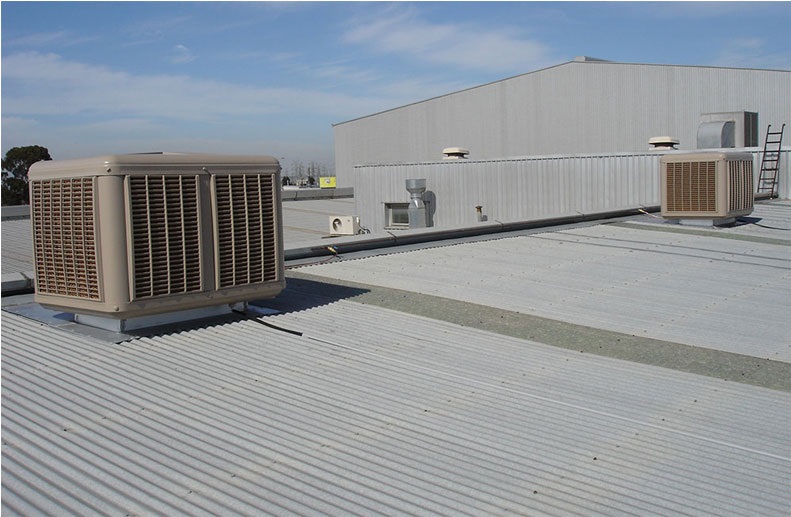
    Direct evaporative coolers, often called swamp coolers, work by harnessing the natural evaporation process. These coolers draw in hot, dry air from the outside environment and pass it through wet pads. As the air comes into contact with the moist pads, the water evaporates, resulting in a decrease in temperature. The now-cooled air is then circulated into the desired space, providing a refreshing and comfortable atmosphere.

    Direct evaporative coolers are most effective in hot and dry climates with low humidity. They excel in arid regions, where evaporation efficiently cools the air without significantly increasing the humidity. Direct evaporative coolers are ideal for cooling large industrial spaces such as warehouses, factories, and workshops and can reduce temperatures by up to 30 degrees Fahrenheit.

    Advantages of Direct Evaporative Coolers

    Direct evaporative coolers offer several advantages over traditional air conditioning systems:

    Cost Savings

    The reduced energy consumption of direct evaporative coolers translates into significant cost savings on utility bills. These coolers are remarkably economical in regions with high electricity costs.

    Fresh Air Circulation

    Direct evaporative coolers continuously introduce fresh outside air into the space, promoting better ventilation and improving indoor air quality. The constant air circulation helps eliminate stale air and pollutants, creating a healthier working environment.

    How Indirect Evaporative Coolers Differ

    In contrast to direct evaporative coolers, indirect evaporative coolers employ a different approach to cooling. These coolers use a heat exchanger to separate the cooled air from the process air. The cooling of the process air occurs indirectly, without any direct contact with moisture. This allows for precise temperature control and humidity management. Indirect evaporative coolers are particularly suitable for environments where humidity control is crucial, such as data centers, laboratories, and facilities with sensitive equipment.

    Benefits of Indirect Evaporative Coolers

    Indirect evaporative coolers offer several benefits for specific applications:

    Precise Temperature Control

    Indirect evaporative coolers can achieve precise temperature control, allowing customization to specific cooling requirements.

    Humidity Management

    Indirect evaporative coolers do not add moisture to the cooled air, making them suitable for environments where humidity levels must be carefully regulated.

    Conclusion

    In conclusion, industrial evaporative coolers are an excellent alternative to traditional air conditioning systems. They offer energy-efficient cooling, lower operating costs, and improved air quality. Understanding the difference between direct and indirect evaporative coolers is crucial in selecting the right cooling solution for your needs. Whether you require a straightforward cooling method for hot and dry climates or precise temperature and humidity control for specialized environments, an evaporative cooler option will suit your requirements. Embrace the benefits of evaporative cooling and create a comfortable and efficient workspace for your industrial needs.

  • Understanding the Distinctions and Functions of Flail Mower Hammer Blades and Mulcher Teeth

    Understanding the Distinctions and Functions of Flail Mower Hammer Blades and Mulcher Teeth

    When it comes to maintaining and clearing vegetation, flail mowers and mulchers are go-to equipment in various industries. These machines rely on two essential components: flail mower hammer blades and mulcher teeth. Although they serve similar purposes, it’s important to understand their distinctions and functions. In this article, we will delve into the characteristics of flail mower hammer blades and mulcher teeth, shedding light on their unique roles and how they contribute to efficient vegetation management. Go url to learn more.

    Flail Mower Hammer Blades:

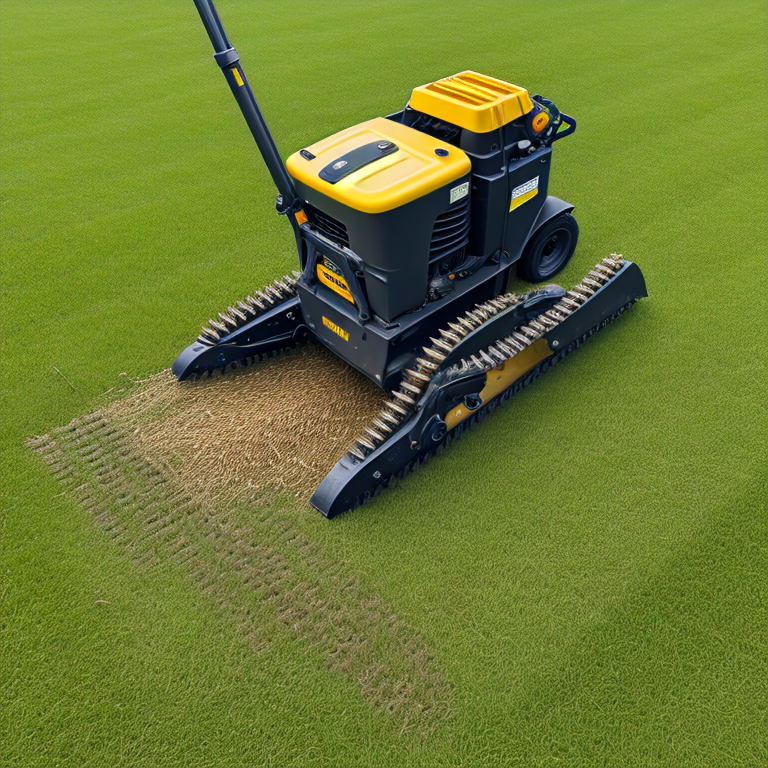
    Flail mower hammer blades are rugged and versatile cutting tools designed to tackle a wide range of vegetation. They consist of sturdy steel blades attached to a rotating drum. The distinctive characteristics of flail mower hammer blades include:

    a. Impact and Shredding: Flail mower hammer blades operate by striking the vegetation at high speed, delivering powerful impact to break down and shred the plants effectively.

    b. Versatility: These blades can handle various types of vegetation, including grass, weeds, brush, and even small saplings. They excel at cutting and mulching thick vegetation in large areas.

    c. Safety: Flail mower hammer blades are designed with safety in mind. They operate within a protective housing, minimizing the risk of debris projection and ensuring operator safety.

    Mulcher Teeth:

    Mulcher teeth, also known as mulcher bits or cutting teeth, are specialized cutting tools designed for heavy-duty mulching applications. They are commonly used in forestry, land clearing, and road maintenance. Here are the notable characteristics of mulcher teeth:

    a. Cutting Efficiency: Mulcher teeth are designed to provide exceptional cutting efficiency. They feature sharp cutting edges that slice through vegetation, including large trees and stumps, with precision.

    b. Durability: Mulcher teeth are constructed using durable materials such as high-carbon steel or carbide tips. This ensures their longevity and resistance to wear, even when working in demanding environments.

    c. Fine Mulching: Mulcher teeth create fine mulch by finely shredding the vegetation into smaller pieces. This allows for faster decomposition and better integration into the soil.

    Distinctions and Functions:

    While both flail mower hammer blades and mulcher teeth contribute to vegetation management, their distinctions lie in their operational mechanisms and intended applications. Here’s a summary of their functions:

    a. Flail Mower Hammer Blades: These blades are well-suited for maintaining lawns, parks, and fields where a clean and manicured finish is desired. They excel at cutting and shredding light to medium vegetation.

    b. Mulcher Teeth: Mulcher teeth are designed for heavy-duty applications where vegetation is more substantial and challenging. They are ideal for land clearing, forestry operations, and roadside maintenance.

    Conclusion:

    Flail mower hammer blades and mulcher teeth are vital components of vegetation management equipment. While flail mower hammer blades excel at cutting and shredding light to medium vegetation, mulcher teeth are designed for heavy-duty applications and produce fine mulch. Understanding their distinctions and functions will help you make informed decisions when selecting the right equipment for your specific vegetation management needs. Whether you’re maintaining a lawn, clearing a forest, or managing roadside vegetation, choosing the appropriate tool ensures efficient and effective vegetation control.

  • High-Quality Performance Forge Car Parts: Enhancing Fuel Efficiency

    High-Quality Performance Forge Car Parts: Enhancing Fuel Efficiency

    In today’s world, where fuel costs continue to rise and environmental concerns are at the forefront, finding ways to enhance fuel efficiency is crucial. One effective method is by investing in high-quality performance forge car parts. These meticulously crafted components not only improve your car’s power and performance but also play a significant role in maximizing fuel efficiency. In this article, we will explore how high-quality performance forge car parts contribute to enhancing fuel efficiency in your vehicle. Go now to learn more.

    Aerodynamics:

    High-quality performance forge car parts, such as spoilers, diffusers, and aerodynamic body kits, are designed to reduce drag and improve airflow around the vehicle. By minimizing air resistance, these components help your car slice through the air more efficiently, resulting in reduced fuel consumption. The streamlined design ensures that your engine doesn’t have to work as hard to propel the vehicle forward, ultimately improving fuel efficiency.

    Engine Optimization:

    Performance forge car parts also include components that optimize the engine’s efficiency, leading to improved fuel economy. Let’s explore a few examples:

    a. Intake Systems: Upgrading to high-performance air intake systems, like forged intake manifolds and cold air intakes, allows for better airflow into the engine. This optimizes the combustion process and improves fuel atomization, resulting in increased power output and fuel efficiency.

    b. Exhaust Systems: High-quality performance forge car parts, such as forged exhaust headers and high-flow catalytic converters, help optimize the exhaust system. These components reduce exhaust backpressure, allowing the engine to expel combustion gases more efficiently. This not only improves performance but also enhances fuel economy.

    c. Engine Tuning: Performance forge car parts often go hand in hand with engine tuning. Tuning the engine control unit (ECU) with specialized software and hardware upgrades can improve fuel mapping, ignition timing, and throttle response. This fine-tuning ensures that the engine operates optimally, leading to enhanced fuel efficiency.

    Lightweight Materials:

    Another advantage of high-quality performance forge car parts is their utilization of lightweight materials, such as forged aluminum and carbon fiber. These materials offer strength and durability while significantly reducing the overall weight of the vehicle. By reducing the vehicle’s weight, the engine has to work less to propel the car, resulting in improved fuel efficiency.

    Improved Power-to-Weight Ratio:

    Performance forge car parts, such as forged pistons, connecting rods, and crankshafts, are engineered to be lighter and stronger than their stock counterparts. These components not only enhance engine performance but also improve the power-to-weight ratio of the vehicle. With a higher power-to-weight ratio, the engine can deliver the same level of performance with less effort, leading to improved fuel efficiency.

    Proper Maintenance:

    High-quality performance forge car parts often require regular maintenance to ensure optimal performance and fuel efficiency. This includes routine inspections, cleaning, and lubrication. Following the manufacturer’s maintenance guidelines and using recommended oils and fluids can help keep the components operating at their best, ensuring maximum fuel efficiency.

    Conclusion:

    Investing in high-quality performance forge car parts is a wise decision for those looking to enhance fuel efficiency in their vehicles. These components improve aerodynamics, optimize engine efficiency, utilize lightweight materials, and enhance the power-to-weight ratio. By embracing these advancements, you can experience improved fuel economy without compromising performance. So, whether you’re a performance enthusiast or simply seeking to save on fuel costs, high-quality performance forge car parts are the key to enhancing fuel efficiency in your vehicle.

  • CNC machined custom heatsinks

    CNC machined custom heatsinks

    CNC-machined custom heatsinks are specialized heatsinks that are designed and manufactured using computer numerical control (CNC) machining technology. CNC machining allows for the precise and accurate manufacturing of heatsinks with complex shapes and geometries.

    Custom heatsinks are designed to efficiently dissipate heat generated by electronic components such as microprocessors, power amplifiers, and other high-powered components. They are typically made from materials with high thermal conductivity, such as aluminium, copper, or graphite, and can be designed to fit specific electronic components or applications.

    CNC machining technology enables the production of complex heatsink designs with precise dimensions, tight tolerances, and smooth surface finishes. The process involves using a computer-controlled cutting tool to remove material from a solid block or extruded bar of the heatsink material. This allows for the creation of intricate heatsink shapes and features that cannot be achieved with traditional manufacturing methods.

    CNC-machined custom heatsinks are commonly used in a wide range of applications, including computer servers, industrial equipment, LED lighting, and automotive electronics. They offer high thermal performance and reliability and can be customized to meet specific thermal management requirements.

    Custom aluminum heat sink

    A custom aluminum heat sink is a specialized heat sink made from aluminum that is designed to efficiently dissipate heat generated by electronic components. Aluminum is a popular material for heat sinks due to its high thermal conductivity, lightweight, and ease of manufacturing.

    Custom aluminum heat sinks can be designed and manufactured to fit specific electronic components and applications. They are typically made from extruded aluminum profiles, which can be customized to achieve the desired shape, size, and surface area. The extrusion process involves heating a billet of aluminum and forcing it through a die to create a profile with a specific cross-section.

    Custom aluminum heat sinks can be designed with various features to enhance their thermal performance, including fins, pins, and other shapes that increase the surface area available for heat transfer. They can also be anodized or painted to improve their appearance and resistance to corrosion.

    Aluminum heat sinks are commonly used in a wide range of electronic applications, including computer servers, power supplies, LED lighting, and automotive electronics. They are effective at dissipating heat generated by high-powered components, which can extend the lifespan and improve the performance of the electronic device.

    Custom copper heat sink

    A custom copper heat sink is a specialized heat sink made from copper that is designed to efficiently dissipate heat generated by electronic components. Copper is a popular material for heat sinks due to its high thermal conductivity, corrosion resistance, and excellent heat transfer properties.

    Custom copper heat sinks can be designed and manufactured to fit specific electronic components and applications. They can be made from copper plates or extruded copper profiles, which can be customized to achieve the desired shape, size, and surface area. Copper heat sinks can also be machined or drilled to create fins, pins, and other shapes that increase the surface area available for heat transfer.

    Copper heat sinks are commonly used in high-performance electronic applications, including power electronics, laser diodes, and high-power LEDs. They are effective at dissipating heat generated by high-powered components, which can extend the lifespan and improve the performance of the electronic device. Copper heat sinks can also be anodized or coated to improve their appearance and resistance to corrosion.

    Copper heat sinks can be more expensive to manufacture than aluminum heat sinks, but they offer superior thermal performance and can be a good choice for applications that require high thermal conductivity and corrosion resistance