分类: Industry

  • Biomass Pellet Burners – The Ultimate Guide

    Biomass Pellet Burners – The Ultimate Guide

    What is Biomass Pellet Burner?

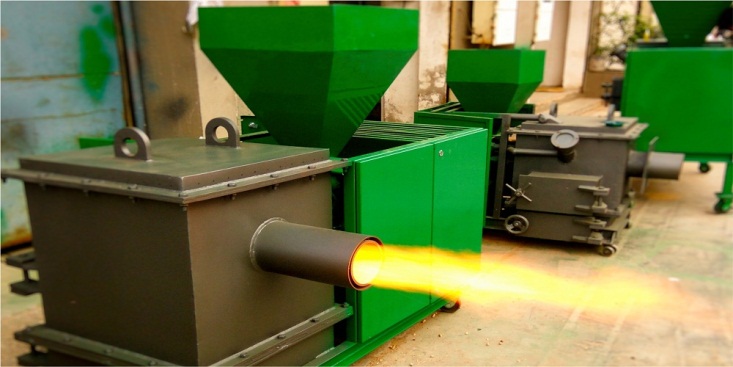
    A biomass pellet burner is a burner that uses wood pellets as a source of heat for both commercial and residential applications.

    These burners are increasing in popularity because of their eco-friendly approach and efficiency. Pellet is an excellent replacement for coal in the combustion process because of its less harmful effects and cost-effectiveness.

    Applications of Pellet Burners

    Biomass pellets burners are usually known for their residential applications. However, these burners are consistently used in many large-scale industries to produce heat as a source of fuel.

    A few major industrial lines are;

    • Ironing, lacquer, and drying apparatus
    • Construction machinery like road construction
    • Kitchen equipment, including smokers
    • Molding machines
    • Industrial burners, hardening furnaces, and boilers
    • Asphalt heating equipment

    Characteristics of Biomass Pellet Burners

    Biomass pellet burners are not simple burners, but they provide the best heating solution to the users. These burners have the following characteristics, which make them worth buying.

    1. Burning Efficiency

    The pellet burners are designed to distribute the heat equally throughout the burner due to proper air circulation. The air circulation helps in the complete burning of fuel. A good-quality pellet burner has>90% burning efficiency than other traditional burners.

    2. Easy operation

    Unlike many other burners, pellet burners are pretty easy to operate with all the automatic systems from feeding to temperature control. A superior quality burner can work automatically for about 24 hours. The user needs to fill the pellet fuel in the burner.

    3. Low Fuel Consumption

    Biomass pellet burners are known for their less fuel consumption. These burners use all the fuel entirely by leaving only a small amount of ash, making them easy to clean.

    4. Stable Burning Process

    The burning process in pellet burners is more stable than in other burners. Pellet burners are usually designed compactly with controlled air and burning conditions. As there is no direct air involved in these burners, the whole burning process is stable with equal heat distribution.

    5. Eco-Friendly Mechanism

    The pellet is one of the eco-friendly fuels with little or no harmful smoke or chemicals production. Pellets are a sustainable source of energy that releases a low amount of smoke into the air.

    The low smoke production of these burners makes them an excellent replacement for other non-renewable fuel sourced burners like charcoal.

    6. Cost-Effective Solution

    The operation and maintenance cost of a biomass pellet burner is very minimum. The pellets are of a very low price than other fuels, and their burning leaves small ash and smoke, which keep the burners pretty clean.

    How Does Biomass Pellet Burner Work?

    Pellet burners are very easy to work with in both automatic and manual designs. A burner comes up with all the required parts, from the removable storage of fuel to the ash collection tray or boxes.

    The pellet fuel is filled in a hopper from where the auger feeds the pellets slowly in the burning pots. The burning of pellets produces heat that is distributed throughout using heat exchangers or air vents.

    All the ash collects in a removable tray that makes it easier to remove and clean the burner. The user just needs to fill the fuel and set the required temperature, and the remaining process is almost automatic on every burner.

    Wrapping Up!

    Whether it’s the industrial level or residential, biomass pellet burners provide an excellent burning solution to their users. These burners are not only eco-friendly, but they are also very convenient for users.
  • How to Choose the Right Cantilever Rack for Your Needs

    How to Choose the Right Cantilever Rack for Your Needs

    If you’re looking for a heavy duty storage solution, a cantilever rack may be exactly what you need. Cantilever racks are perfect for storing materials of all shapes and sizes, making them a versatile storage option for any business. But with so many different types of cantilever racks on the market, how do you know which one is right for your needs? Keep reading to learn everything you need to know about choosing the perfect cantilever rack for your business.

    What is a  Industry?

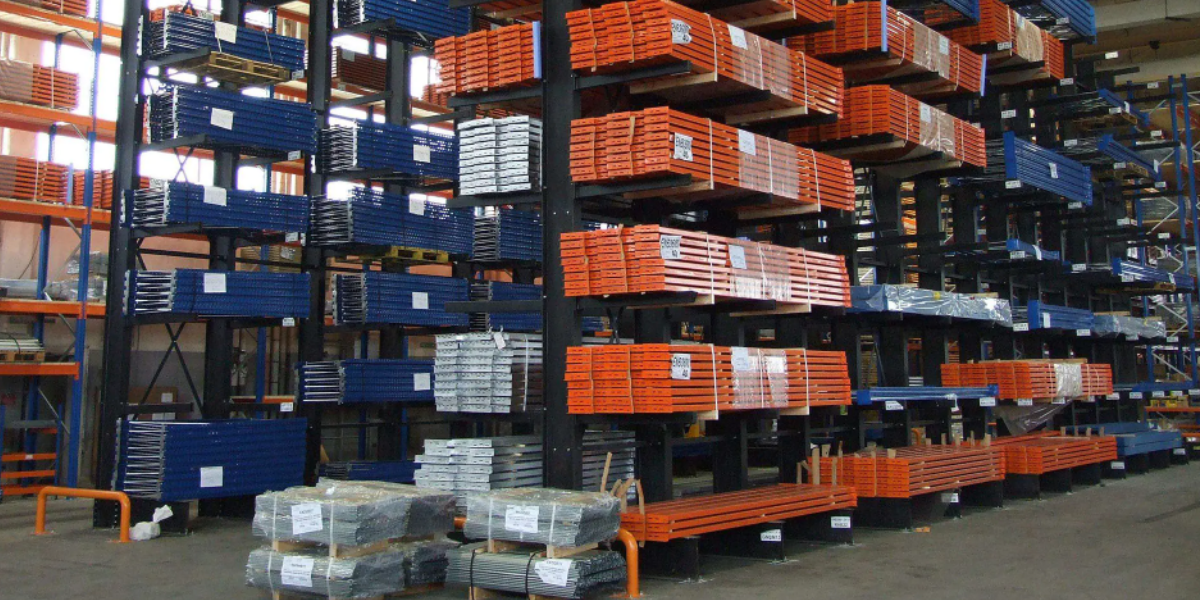
    A cantilever rack is a type of storage rack that consists of uprights with arms that extend out from the sides. These arms are used to support materials, making them perfect for storing long or awkwardly shaped items. Cantilever racks are commonly used in warehouses and factories, but can also be used in retail settings.

    Cantilever racks are a popular storage option in China, as they offer a versatile and heavy duty storage solution. Xinmiao is one of the leading storage rack manufacturing and trading companies in China with more than 16 years of experience. Xinmiao’s mainly products are china cantilever rack, mezzanine floor, drive in rack, mobile files cabinet, selective pallet rack. With strong technical support, Xinmiao can offer you the best solution for your storage need. Xinmiao’s products are widely used in warehousing, logistics, manufacturing and other industries.

    Types of cantilever racks:

    There are two main types of cantilever racks: single-sided and double-sided. Single-sided cantilever racks have arms on one side of the upright, while double-sided racks have arms on both sides. Double-sided racks are typically more expensive, but offer more storage space.

    How to choose the right cantilever rack for your needs?

    First, consider the type of material you’ll be storing on the rack. If you’re planning on storing heavy or bulky items, look for a cantilever rack that is rated for high weight capacity. For lighter items, a standard duty cantilever rack should suffice.

    Next, take into account the size of the items you’ll be storing. If you’re planning on storing large or long items, look for a cantilever rack with wide arms. For smaller items, narrow arms will do the trick.

    Finally, think about how you plan to use the cantilever rack. If you need easy access to stored materials, look for a rack with arms that can be adjusted to different heights. If you want to maximize storage space, look for a rack with arms that are spaced close together.

    By taking these factors into consideration, you can be sure to choose the perfect cantilever rack for your needs.

    Things to consider when buying a cantilever rack:

    There are a few things to consider when buying a cantilever rack:

    • Decide on the type of rack you need. Do you need a single-sided or double-sided rack?
    • Consider the weight capacity you need. How much weight will you be storing on the rack?
    • Think about the size of the items you’ll be storing. Do you need a rack with wide arms or narrow arms?
    • Determine how you’ll be using the rack. Do you need a rack with adjustable arms?

    Once you’ve answered these questions, you can start shopping for a cantilever rack. You can find cantilever racks for sale at many online retailers and industrial equipment suppliers.

    Conclusion:

    Choosing the perfect cantilever rack for your needs is important to ensure efficient storage. By taking into account the type of material you’ll be storing, the size of the items you’ll be storing, and how you plan to use the rack, you can be sure to find the perfect cantilever rack for your business.

  • Possible Failures You Can Experience With An Automatic Recirculation Valve

    Possible Failures You Can Experience With An Automatic Recirculation Valve

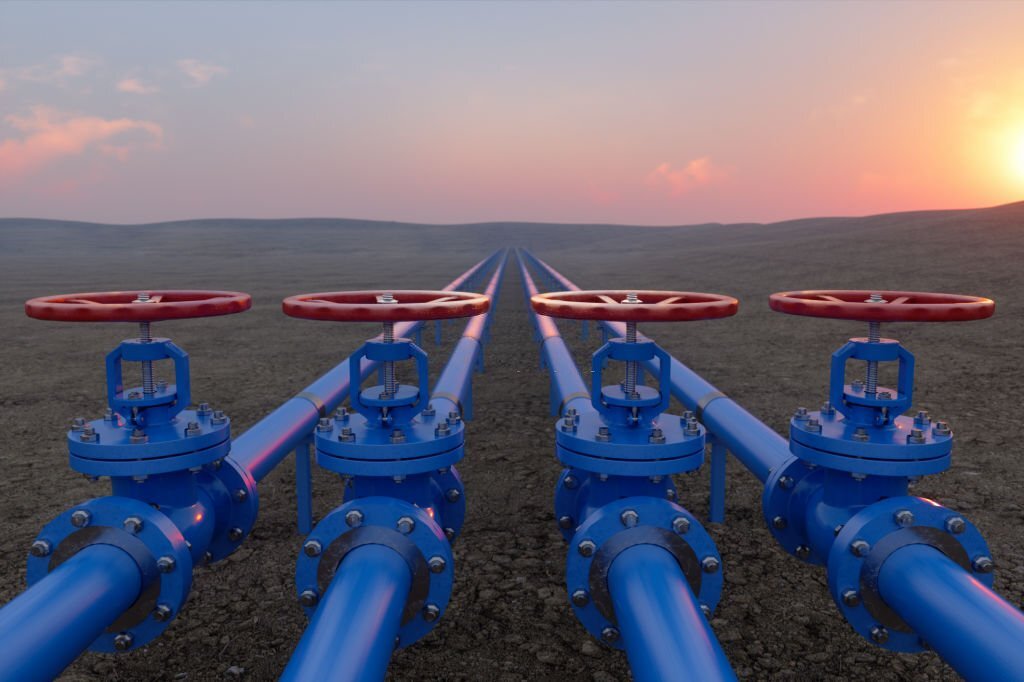
    The function of an automatic recirculation valve working in a minimum flow valve situation is an excellent one. The valve functions well within its required functions and also doubles as a protective layer for the pump. In a situation when you need a Centrifugal pump, it means you need to complex different types of liquid. What it means is there are different levels of thickness, boiling points, and melting points. That goes on to indicate that it is a complex mechanical system that the pump is trying to function within. Therefore, there are hundreds of issues that can go wrong with the pumping process. If you want to pump water at its highest temperature, for instance, you are talking of only a little over 100°c. That way, the pump will conveniently carry it. But some liquids have a boiling point that reaches up to 400°c in thermal conductivity. That way, the pump will need to work extra hard to pump those liquids around. As a result of the rigorous work, the centrifugal pump has a high chance of getting bad at any point. However, these pumps are usually protected by the type of valves in the mechanical system.

    Don’t get it wrong; the main aim of the valve is not to protect your pump. There are other functions of the valve, but the most amazing is the protection it gives to the pump. If you are using the automatic recirculation valve, your centrifugal pump is mostly safe. However, the valve is also a device that is bound to get bad at times, especially if you are overusing the pumps more than usual. If you are using the automatic recirculation valve, there is a high chance that you will get used to it working. When this valve gets spoilt, it affects the whole pump. In this guide, we will explain the probable failures you can experience with an ARC valve.

    Surging into the pumps

    One of the main functions of the automatic recirculation valve is to protect the pumps from any form of damage. But the valve relies on the liquid to perform its function. So when there is no liquid in the system or the liquid is not enough, it will misbehave. The valve automatically reads these sensors, so when there is a problem with the liquid flow, the pump will accumulate pressure, which will lead to the impeller slowing down.

    Recirculation occurring internally

    As the name of the valve implies, recirculation is a situation when the liquid the pump is carrying goes back in the opposite direction. This situation is a tricky one because it is not easily noticeable. That is because it is only the smallest possible amount of liquid that is flowing through the system. In turn, it will reduce the pump’s pressure.

    Rotor vibration

    The arc valve aims to control fluids. So when there is a low flow of these fluids, there is a big problem. One problem that comes is the root vibration. When there is vibration along with the Rotor of the system, there are issues between the impeller and diffuser components.

  • Disadvantages of A Cold Plate System

    Disadvantages of A Cold Plate System

    If you have a heat sink with water cooling properties, you will have utmost love for the sink. There is a joy in not relying on a constant power supply to leave your food and drinks preserved all the time. That is the technology of the cold plate system, and it is the reason for its popularity. This system will give you liberty from electricity reliance. Once you can charge your battery of the cold plate system for some hours, you have no worries about your items getting warm. The cold plate has been specifically designed to take out the heat and make it chilled, as well as retain this chill state for a long while. This is not the only advantage of the cold plate system. There are many advantages including its design and versatility. You can use a Cold plate setup in the traditional freezers and refrigerators, but it can be used in other applications. The cold plate setup works in boats and trucks where there is no access to direct electricity. According to some experts, that is the best application of the cold plate system – When there is no direct power source.

    Every innovation usually has some downsides, and the cold plate system is not any different. The good sides may outweigh the bad, but the cons are present. The downsides of the cold plate system will make you rethink whether it is the right one for you. This guide will focus on the disadvantages of the cold plate system. Most of these disadvantages are financially related, so if you have the capital, it is a good option.

    You need a lot of power to run it

    One of the main purposes and advantages of using a cold plate refrigeration system is the non-reliance on direct electricity. However, it does not mean the system will operate with no input of electricity at all. You need a lot of power to ensure the liquid within the cold plate is frozen before you can rest assured. That power you will need has to be very high and last for a few hours to be sure it works independently. The length of time you need to run your cold plate to be sure it works well depends on the design.

    There has to be a large space creation

    Usually, creating a cold plate technology system will require a wide space. That is because the cold plate has its size, and if you do not have enough space, the cold plate may end up taking up the space.

    Producing and designing one can be hard

    The production process of a cold ate refrigerating system is dynamic. Many factors affect the design, materials, shape, and sizes to be used in the design of this material. That way, the whole process of designing and producing a cold plate can be terribly hard and costly. That is why the process of buying and installing the cold plate is expensive. You may require expensive materials which require a complex design procedure to create the type of cold plate you need.

  • CNC Machining – Setting up and using your CNC Machine

    CNC Machining – Setting up and using your CNC Machine

    This guide will show you how to set up and use your CNC machine, including how to load material, make basic cuts, and perform other common operations. Visit CNC machining

    Before beginning any work with your CNC machine, it is important to read the manual thoroughly and become familiar with the machine’s capabilities and safety features. Once you have a good understanding of how the machine works, you can start setting it up for your specific project.

    1. Choose the right CNC machine for your project.

    Not all CNC machines are created equal. Some are designed for specific tasks, such as milling or engraving, while others are more versatile and can be used for a variety of applications. Before purchasing a machine, make sure it is well suited for the projects you plan to use it for.

    2. Set up your CNC machine in a well-lit, well-ventilated area.

    CNC machines produce a lot of dust and noise, so it is important to set them up in an area where ventilation is good and there is plenty of light. This will help to keep the area clean and allow you to see your work clearly.

    3. Make sure the floor around your CNC machine is clean and level.

    A level surface is important for ensuring that your CNC machine cuts accurately. If the floor is uneven, the machine may not function properly.

    4. Choose the right cutting tools for your project.

    Different projects will require different cutting tools. For example, if you are milling aluminum, you will need a different type of cutter than if you are engraving wood. Be sure to select the appropriate tool for your project to avoid damaging your material or the machine.

    5. Mount your workpiece securely to the table.

    Before beginning any cuts, it is important to mount your workpiece securely to the table. This will help to prevent it from moving during the cutting process and ensure that your cuts are accurate.

    6. Set the correct speed and depth for your project.

    The speed and depth of your cuts will need to be adjusted based on the material you are cutting and the size of your workpiece. Cutting too quickly or too deeply can damage your workpiece or the machine.

    7. Always use safety gear when operating your CNC machine.

    CNC machines are powerful tools that can be dangerous if used improperly. Be sure to wear proper safety gear, such as gloves, goggles, and a dust mask, when operating the machine.

    CNC machining is a process that uses computers to control the movement of machinery. This machinery can be used to create or modify parts for products. In order to use a CNC machine effectively, there are some basic steps that must be followed. In this article, we will discuss the steps necessary to set up and use your CNC machine.

    Create a design:

    This design can be created using computer-aided design (CAD) software. Once the design is complete, it must be saved in a format that the CNC machine can understand. The most common format for this is called G-code.

    Prepare the machine:

    Once the design is complete, the next step is to prepare the CNC machine for machining. This includes loading the proper tools into the machine and calibrating the machine so that it is ready to cut the design.

    Load the file:

    The next step is to load the design file into the CNC machine. This is typically done by transferring the file onto a USB drive and then loading it into the machine.

    Start machining:

    Once the file is loaded, the CNC machine will start machining the design. The machining process can take some time, depending on the size and complexity of the design. When the machining is complete, the parts will be ready to use.

    CNC machining is a great way to create or modify parts for products. By following these basic steps, you can ensure that your CNC machine is set up correctly and ready to use.

    By following this guide, you can ensure that your CNC machine is set up correctly and that you are using it safely. With a little practice, you will be able to create precision cuts and intricate designs.

  • About some advantages and disadvantages of sheet metal cutting

    About some advantages and disadvantages of sheet metal cutting

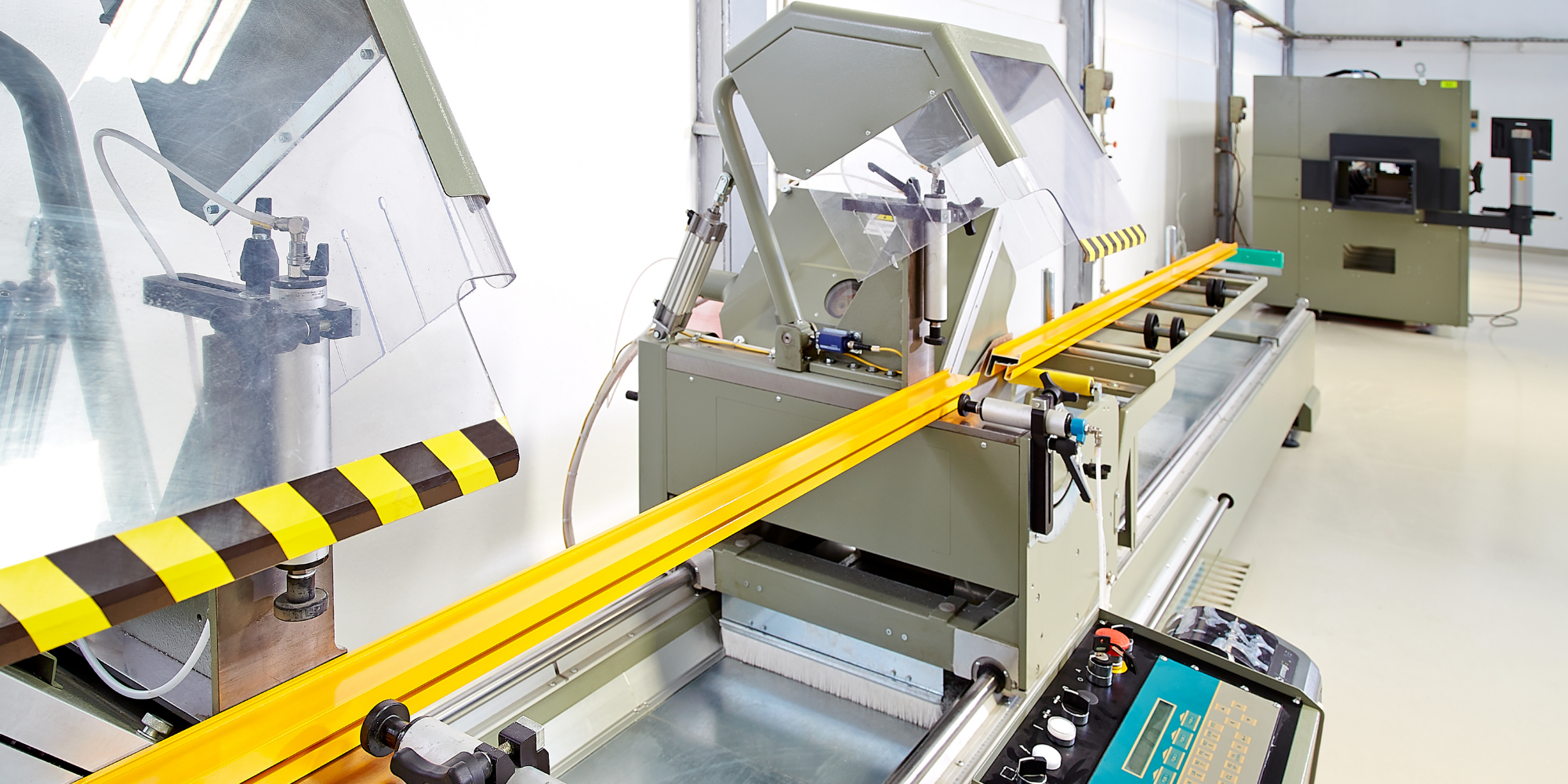
    The process of sheet metal cutting is essential in a wide range of manufacturing applications. Many different types of cutting processes can be used to cut sheet metal. Visit LEADRP

    Sheet metal cutting is the process of making a hole or opening in a sheet metal workpiece. The process can be done using various tools and methods, depending on the material properties and the desired shape and size of the finished product.

    Some of the most common methods for cutting sheet metal include:

    #1 Punching:

    Punching is the process of cutting sheet metal using a die and punch. The punch is a sharpened tool that is used to cut through the metal, while the die is a hardened tool that is used to shape the metal.

    Punching is typically used for cutting round or square holes in sheet metal. The punched holes can be any size and shape and can be spaced close together or far apart.

    Advantages:

    -Punching is a fast and efficient way to cut sheet metal.

    -Punching can be done using a variety of tools, depending on the size and shape of the hole that needs to be cut.

    -Punched holes can be made in any size or shape.

    Disadvantages:

    -Punching can cause the metal to deform, especially if the punch is not the correct size for the hole that needs to be cut.

    -Punching can also cause the metal to crack or break if it is not done correctly.

    #2 Plasma Cutting:

    Plasma cutting is the process of cutting sheet metal using a plasma torch. The plasma torch produces a stream of hot plasma that cuts through the metal.

    Plasma cutting is typically used for cutting shapes out of sheet metal, such as circles, squares, or triangles. Plasma cutting can also be used for cutting holes in sheet metal.

    Advantages:

    -Plasma cutting is a fast and efficient way to cut sheet metal.

    -Plasma cutting can be done using a variety of tools, depending on the size and shape of the hole that needs to be cut.

    -Plasma cutting can be used to cut holes in sheet metal.

    Disadvantages:

    -Plasma cutting can cause the metal to deform, especially if the plasma torch is not the correct size for the hole that needs to be cut.

    -Plasma cutting can also cause the metal to crack or break if it is not done correctly.

    #3 Waterjet Cutting:

    Waterjet cutting is the process of cutting sheet metal using a high-pressure stream of water. The waterjet cutter produces a stream of water that cuts through the metal.

    Waterjet cutting is typically used for cutting shapes out of sheet metal, such as circles, squares, or triangles. Waterjet cutting can also be used for cutting holes in sheet metal.

    Advantages:

    -Waterjet cutting is a fast and efficient way to cut sheet metal.

    -Waterjet cutting can be done using a variety of tools, depending on the size and shape of the hole that needs to be cut.

    -Waterjet cutting can be used to cut holes in sheet metal.

    Disadvantages:

    -Waterjet cutting can cause the metal to deform, especially if the waterjet cutter is not the correct size for the hole that needs to be cut.

    -Waterjet cutting can also cause the metal to crack or break if it is not done correctly.

    #4 Laser Cutting:

    Laser cutting is the process of cutting sheet metal using a laser beam. The laser beam cuts through the metal by vaporizing it.

    Laser cutting is typically used for cutting shapes out of sheet metal, such as circles, squares, or triangles. Laser cutting can also be used for cutting holes in sheet metal.

    Advantages:

    -Laser cutting is a fast and efficient way to cut sheet metal.

    -Laser cutting can be done using a variety of tools, depending on the size and shape of the hole that needs to be cut.

    -Laser cutting can be used to cut holes in sheet metal.

    Disadvantages:

    -Laser cutting can cause the metal to deform, especially if the laser beam is not the correct size for the hole that needs to be cut.

    -Laser cutting can also cause the metal to crack or break if it is not done correctly.

    Conclusion – An Overview Of Sheet Metal Cutting Methods:

    There are four main ways to cut sheet metal: punching, plasma cutting, waterjet cutting, and laser cutting. Each method has its own advantages and disadvantages.

    Punching is a fast and efficient way to cut sheet metal, but it can cause the metal to deform. Plasma cutting is also a fast and efficient way to cut sheet metal, but it can cause the metal to crack or break. Waterjet cutting is a fast and efficient way to cut sheet metal, but it can also cause the metal to deform. Laser cutting is a fast and efficient way to cut sheet metal, but it can also cause the metal to crack or break.

    Which method you use will depend on your specific needs and the type of sheet metal you are working with. You should always consult with a professional before cutting sheet metal to ensure that you are using the best method for your project.

  • Basic Effects of Flow Conditioning

    Basic Effects of Flow Conditioning

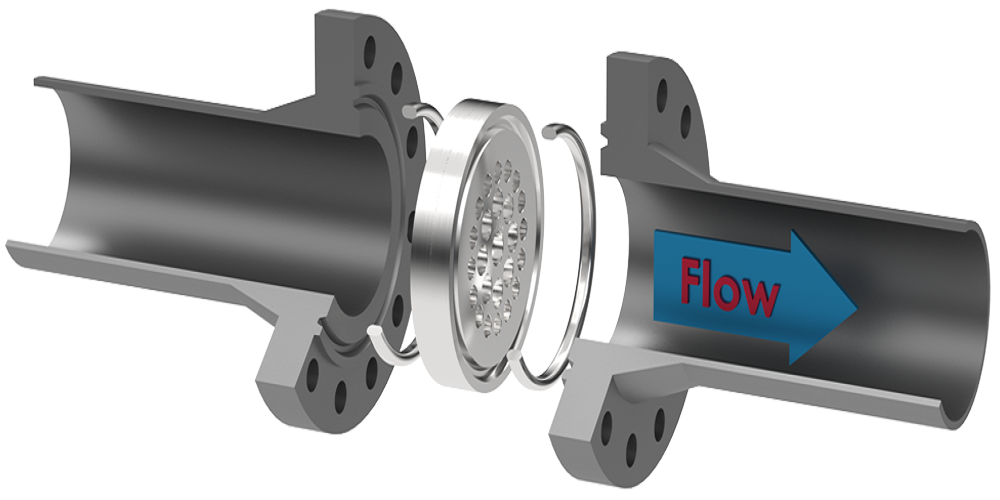
    Flow conditioning is a process that is conducted by a flow conditioner to improve the accuracy of a flow meter by delivering a consistent flow profile at the sensor position.

    The task of flow conditioning is to make sure that the “actual world” environment intimately resembles the “laboratory” atmosphere for the appropriate performance of inferential flow meters.

    Flow Meters

    Flow meters are commonly characterized in two types:

    • Energy extractive
    • Energy additive

    Energy Extractive Meters

    Energy extractive meters require energy in the form of pressure drops. This energy comes from the flowing stream to find the rate of fluid flow. A few examples of this meter are a turbine, vortex, head, and PD meter.

    Energy Additive Meters

    For flow rate determination, we need to introduce the energy in the flowing system, and this is what the flow meter does. You can observe this system in ultrasonic meters and magnetic meters.

    It is important to understand the physical principles of flow metering technology. If these principles are ignored or not understood completely, the Law of Similarity might be desecrated, resulting in high maintenance expenses & incorrect measurement.

    Installation Effects

    Different installation effects create different flow conditions in the pipe, and the flow meter is greatly affected by where & how they are mounted. Common installation effects are reducers, pipe smoothness/ roughness, tees, valves, and elbows.

    It is very important to know how these effects are creating an impact on the flow meter. This impact can cause the upstream installation effects in typical metering design. Flow conditioning is a cost-effective process of creating a flow profile by artificial means. The performance can change if the upstream fittings can disturb the flow profile.

    Flow Conditioners

    The influence of the fluid dynamics on the performance of the meter can be minimized by installing a flow conditioner in conjunction with straight lengths of pipe to “separate” the meter from upstream piping disturbances.

    The separation is never ideal. Nevertheless, the main objective of the conditioner is to generate a “pseudo-fully developed” flow. Check out whmcn flow conditioner to find the top-notch products. This site will provide you with a huge range of fitting instruments and equipment.

    Pseudo-Fully Developed Flow

    Axisymmetric time, the swirl-free average velocity flow profile, is known as pseudo-fully developed flow. It is defined by the wall prediction power law. However, bear in mind that forces equilibrium is needed to develop the turbulent flow fully. This is important to maintain the cyclic motions of turbulent flow.

    To attain the completely developed flow, you need to spend much of your time in a research lab. Certain design objectives are required to attain a separate flow meter. These design objectives are:

    • Permanent reduction in pressure loss
    • Mechanical design should be durable
    • Cost-effective construction solution
    • Sensing location/ system should be autonomous
    • Complete removal of swirls
    • Low contamination

    Swirl

    Fluid rotation in the pipe is known as swirls. If the pipe direction will change at any point or any other form of blockage can cause swirl. Inflow profile this distortion is unpredictable that can alter by time. The water profile inverts because of centripetal force, which makes the system harder to spin. This local effect can be eliminated with flow conditioning. Flow conditioning will generate a repeatable and reinstate the flow profile symmetry.

    Conclusion

    It is necessary to understand the physical properties of fluid for designing and operating a precise flow meter application.

    Law of Similarity is necessary for designing and operating an accurate fiscal metering facility. Conformity with the separating flow conditioners makes sure the flow field the inferential meter “sees” intimately the laboratory situations.

  • Your wood chipper hammer mill explained

    Your wood chipper hammer mill explained

    What is a wood chipper hammer mill?

    A wood chipper hammer mill is used for crushing wood into small sizes. The machine performs multiple functions, with crushing as the primary one. It shreds varying diameters of materials, for example, wood and straw. The diameter of the final shreds varies from three to five millimeters.

    The hammer mill attains fine shreds after multiple crushes by its little hammers. Among the industrial applications of a wood hammer mill include milling grains used for feeding livestock and crushing wood to make pellets. It performs based on the effect created between fast-moving hammers mounted on powder and rotor.

    What are the different types of wood chipper hammer mills?

    Wood chipper hammer mills are used on materials will diameters ranging from ten millimeters to thirty-three millimeters. These materials are reduced to sizes ranging between three- and five millimeters using hammers rotating at high speeds. There are three primary types of wood chipper hammers mills and are classified based on the shape of the screener and their sizes.

    When classified based on the shape of the screener, the wood chipper hammer mills comprise screenless, full screen, and half screen hammers mills. On the other hand, they include the small and large hammer mills when they are classified according to their sizes. Each of these types of hammer mills is essential in different ways.

    Small wood chipper hammer mill

    A small wood chipper hammer mill may also be referred to as a half-screen hammer mill. Its screen cloth covers a semicircular section of its rotor, with the serrated plate situated above the body. When feeding raw materials, you should place them along the curved line of the crushing section.

    This wood chipper hammer mill is versatile and can be used in various working conditions. It is easy to operate, costs less, and is small. Besides, the small wood chipper hammer mill comprises parts such as an engine body, screen cloth, feed hopper, air blower, to mention a few of the parts.  

    The small wood chipper hammer mill may as well be used in other operations. These operations include but are not limited to wood processing, food milling, and pellet production. The used depends on the type of hammer mill you have. The most important is putting the correct hammer mill to its proper function.

    Large wood chipper hammer mill

    The large wood chipper hammer mill is also called a drop-shaped hammer mill. In this type of hammer mill, the rotor and electric motor are usually welded on one plate and are connected by one pin coupling. The feed hopper of the large hammer mill is located at the top of the hammer mill, with its rotor rotating both clockwise and anticlockwise.  

    The hammers of the large hammer mill are organized systematically to improve their efficiency when shredding materials.

    You may choose to get a large or small wood chipper hammer mill depending on the type of work you would like to do. Getting the right hammer mill will go a long way in assuring efficiency in pellet production.

  • A Look Into The Various Types Of Hydraulic Press Machines

    A Look Into The Various Types Of Hydraulic Press Machines

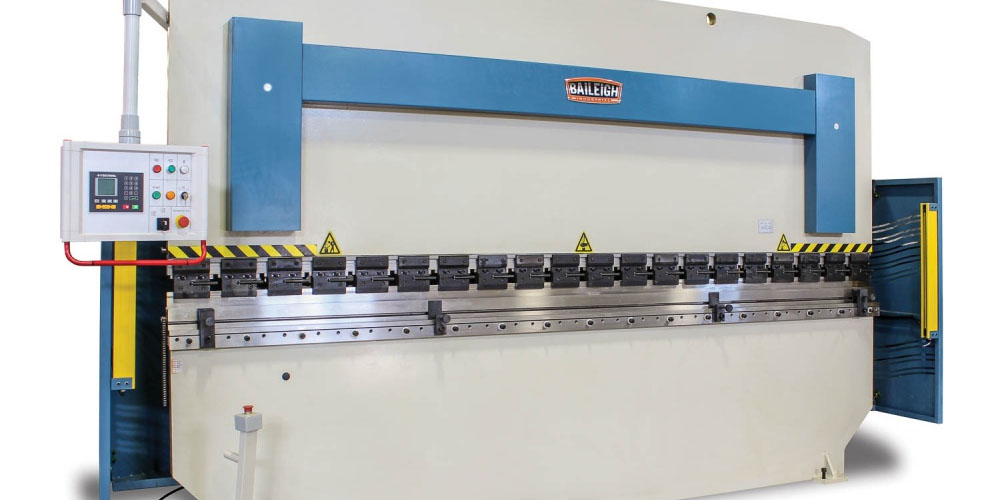
    Hydraulic presses have existed for several decades. The first hydraulic press was established at around the same time as the steel or metallic era. Currently, there are several hydraulic press machine factories in different parts of the world. The factories manufacture various types of hydraulic presses. This post gives insight into the primary types of hydraulic press machines.

    Types of hydraulic press machines

    The market features a wide range of hydraulic press machines. The following are some of the primary types of hydraulic machines that you should know about;

    1. Four-column hydraulic presses

    Four-column hydraulic presses are designed with a hydraulic cylinder attached to the top plate, also known as the slide. These machines also come with four columns situated at the side plate corners. This positioning is intentional to ensure that the side plate and bolster plate are constantly parallel. The columns also ensure that the parallel positioning is maintained even when extra working pressure is exerted on the side plate. It is worth mentioning that these hydraulic presses can be divided further into three, depending on the number of beams (2, 3, and four beams).

    2. Single-column hydraulic presses

    Also known as C-type, single-column hydraulic presses feature an extendable working range. This means that you can lengthen the hydraulic cylinder strokes. They feature three-sided spaces with a retractability rate of between 260 to 800mm. However, this is not the case with all C-type hydraulic presses. With these hydraulic presses, you can preset the working pressure. Here, you will need a heat abstractor device.

    3. Two-pillar hydraulic presses

    These hydraulic presses are suitable for tasks like flanging, light stretching, bending, shaping, and punching, to name a few. They are also suitable for a variety of materials like plastic, metal, and metal powder. Two-pillar hydraulic presses adopt electric control. This helps eliminate various issues like pressure delay. The machines also have incredible sliding block direction, and they are easy to maintain and operate. It is also worth mentioning that these hydraulic press machines are economically durable.

    These machines can be divided into further subcategories. The types of two-pillar hydraulic presses are based on pressure transferring liquid applied and the application. For instance, some machines use oil and others use water,

    4. Horizontal hydraulic presses

    These machines are unique from the rest because they can be assembled, disassembled, bent, and punched, among other alterations. This means that the machines can be used for a wide range of purposes (multi-purpose). The working tables on these hydraulic presses can also move up and down. This helps to expand the opening and closing heights of the presses. This element makes them convenient to use.

    Other types

    The types of hydraulic presses listed above are the most popular ones. However, there are a few less popular types on the market. They are;

    • Vertical frame hydraulic presses
    • Universal hydraulic presses

    Conclusion

    Note that the various types of hydraulic presses also come in varying designs. This depends on the manufacturer and the applications of the presses. When choosing the best hydraulic press, the first thing you must consider is the application and functionality of the machine.